What happened
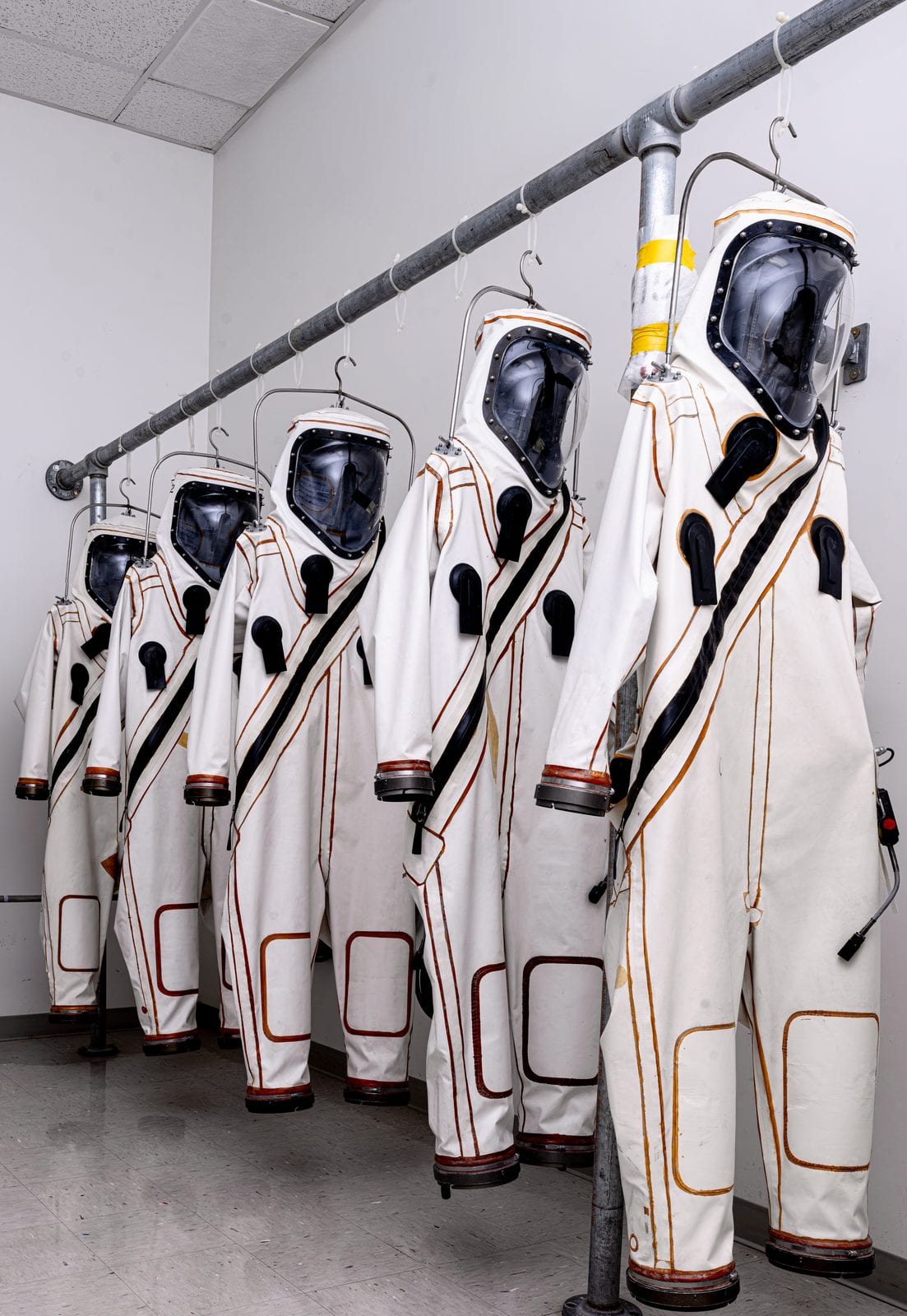
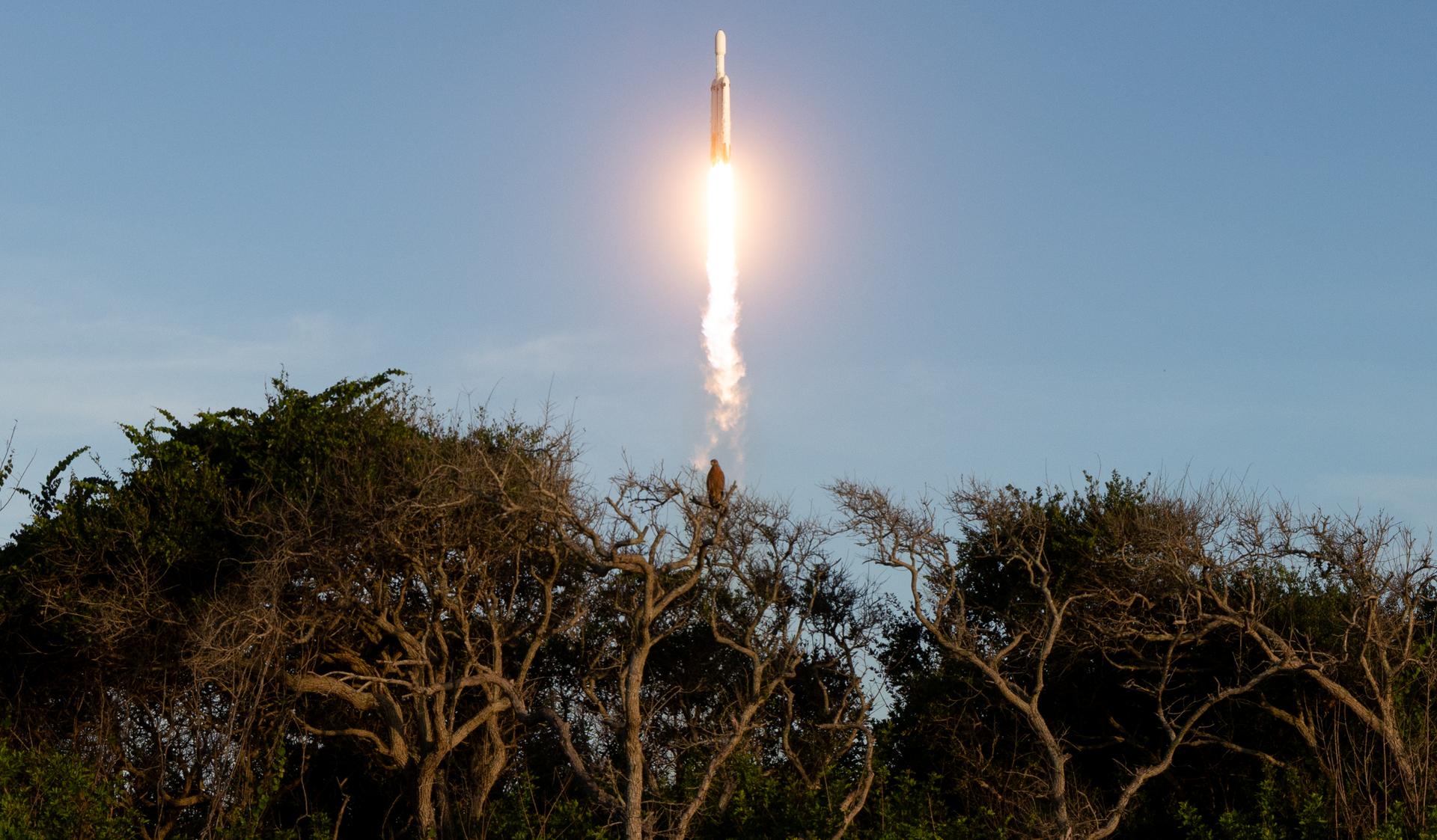
NASA’s Nancy Grace Roman Space Telescope launched on August 30, 2026, aboard a SpaceX Falcon Heavy rocket from Launch Complex 39A at Kennedy Space Center, separating from the rocket about 31 minutes after liftoff. Getting there took months of ground work: the observatory arrived at Kennedy by barge in June, and technicians in protective suits loaded it with roughly 290 gallons of hydrazine propellant in July, before it was mated to the rocket. Roman is headed for an orbit around the Sun-Earth L2 point, the same gravitationally stable spot where the James Webb Space Telescope operates, roughly a million miles from Earth.
Why the mirror has a strange history
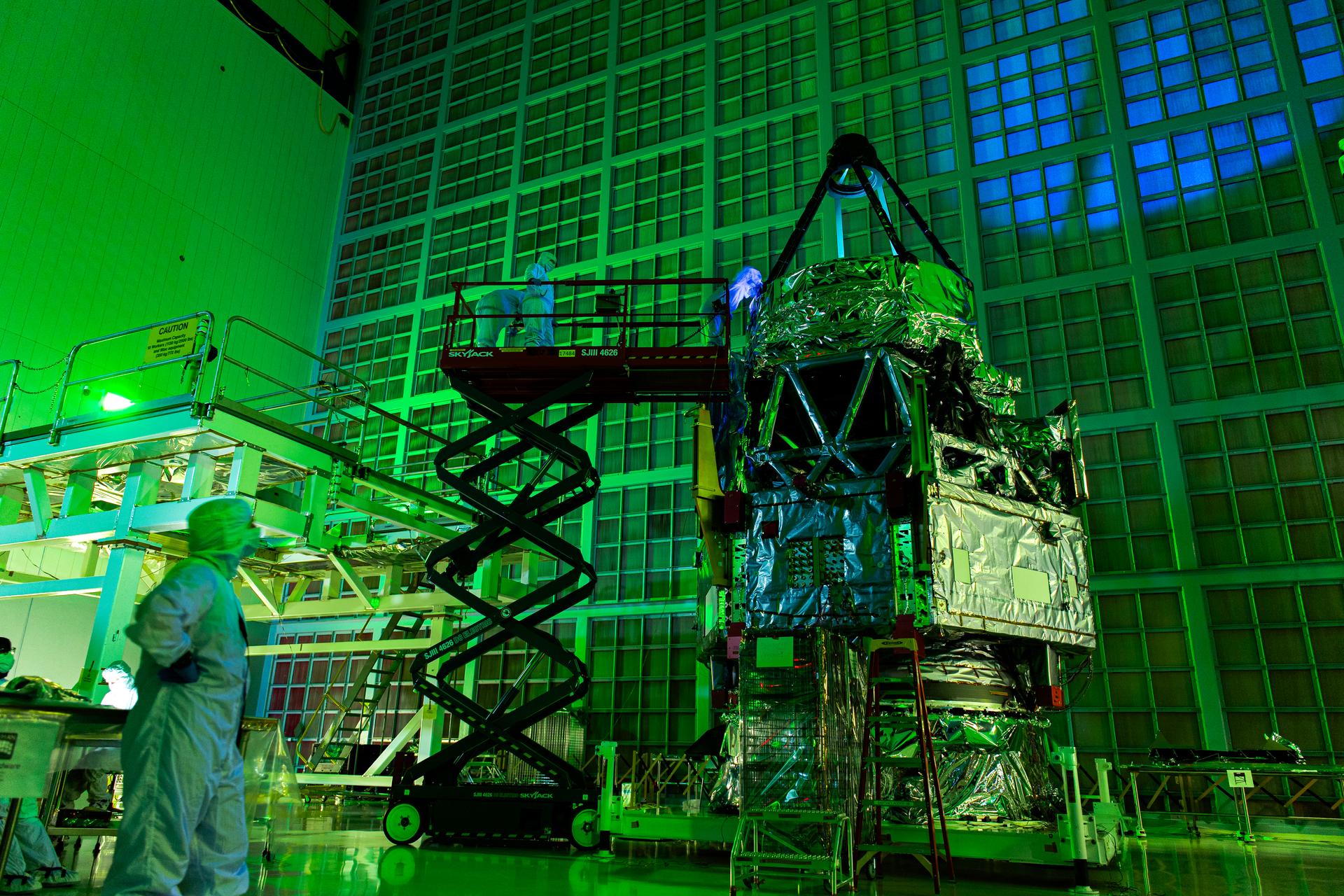
Roman’s primary mirror is 2.4 metres across, the same size as Hubble’s, and that is not a coincidence: it began as a mirror built for a U.S. government reconnaissance satellite and was donated to NASA once it was no longer needed for that purpose. What makes Roman different from Hubble is not the mirror but the camera behind it, a 300-megapixel detector giving Roman a field of view more than 100 times wider than Hubble’s, built to survey huge areas of sky rather than zoom in on single targets.
What it is actually looking for
Roman’s main jobs are to map how dark energy has shaped the universe’s expansion over billions of years, and to survey the galaxy for exoplanets using a technique (gravitational microlensing) that Hubble’s narrow field of view was never built to do at scale. A second instrument, a coronagraph, will block starlight from individual nearby stars to attempt direct images of the planets orbiting them.
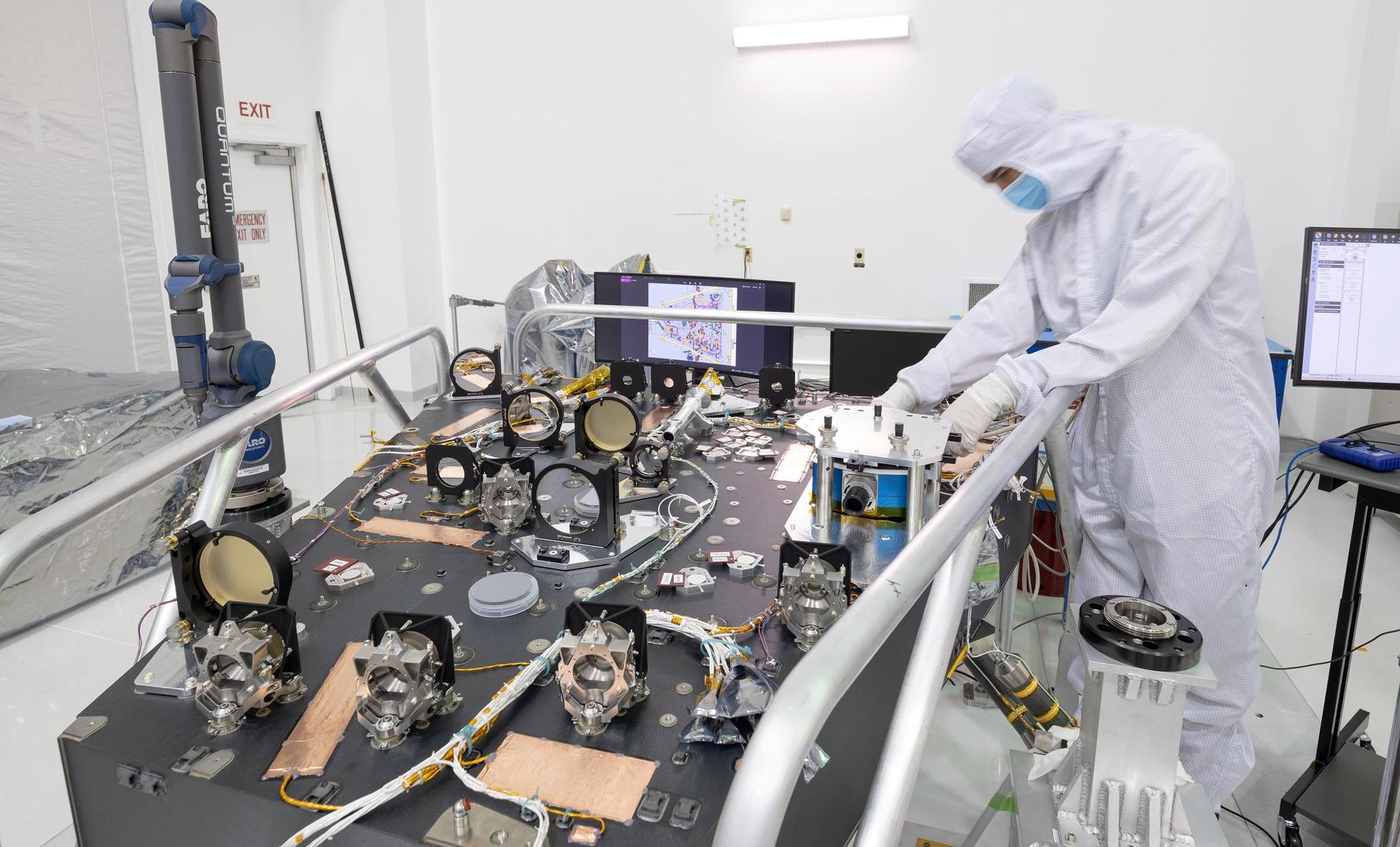
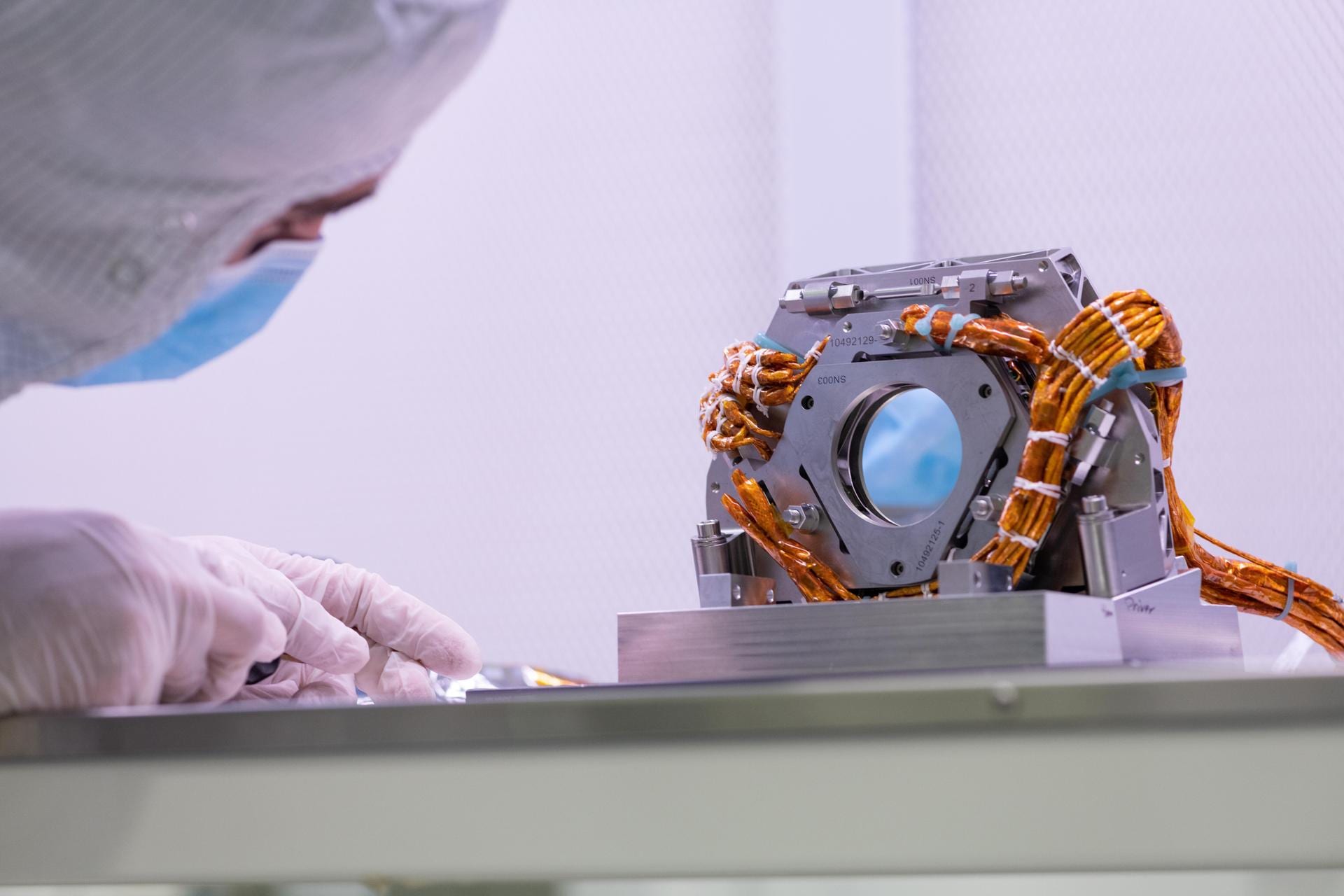
Roman is not one machine so much as several built around the same mirror, pointing, power, thermal control, communications and two separate science instruments, all of which have to agree with each other for years without a repair crew anywhere nearby. Keeping that whole system honest, subsystem by subsystem, for a mission that cannot be serviced, is exactly the work this chapter opens with, and what a Spacecraft Systems Engineer does for a living.
Spacecraft Systems EngineerSpacecraft Systems & Subsystems: Space Operations Foundation