Aviation1903
Powered, controlled, sustained
The Wright brothers’ real contribution was not the engine. It was three-axis control, a way to steer once you were up.
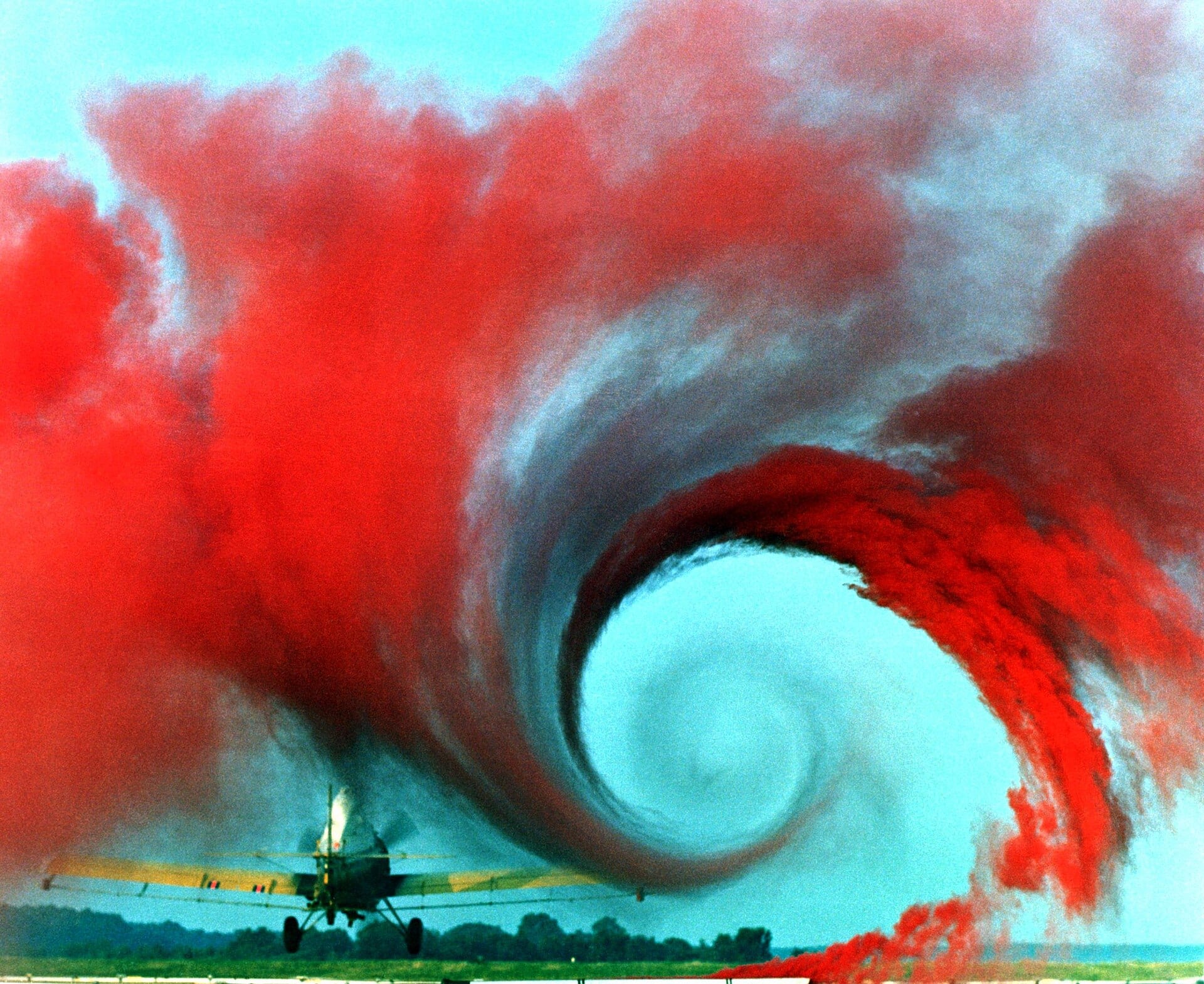
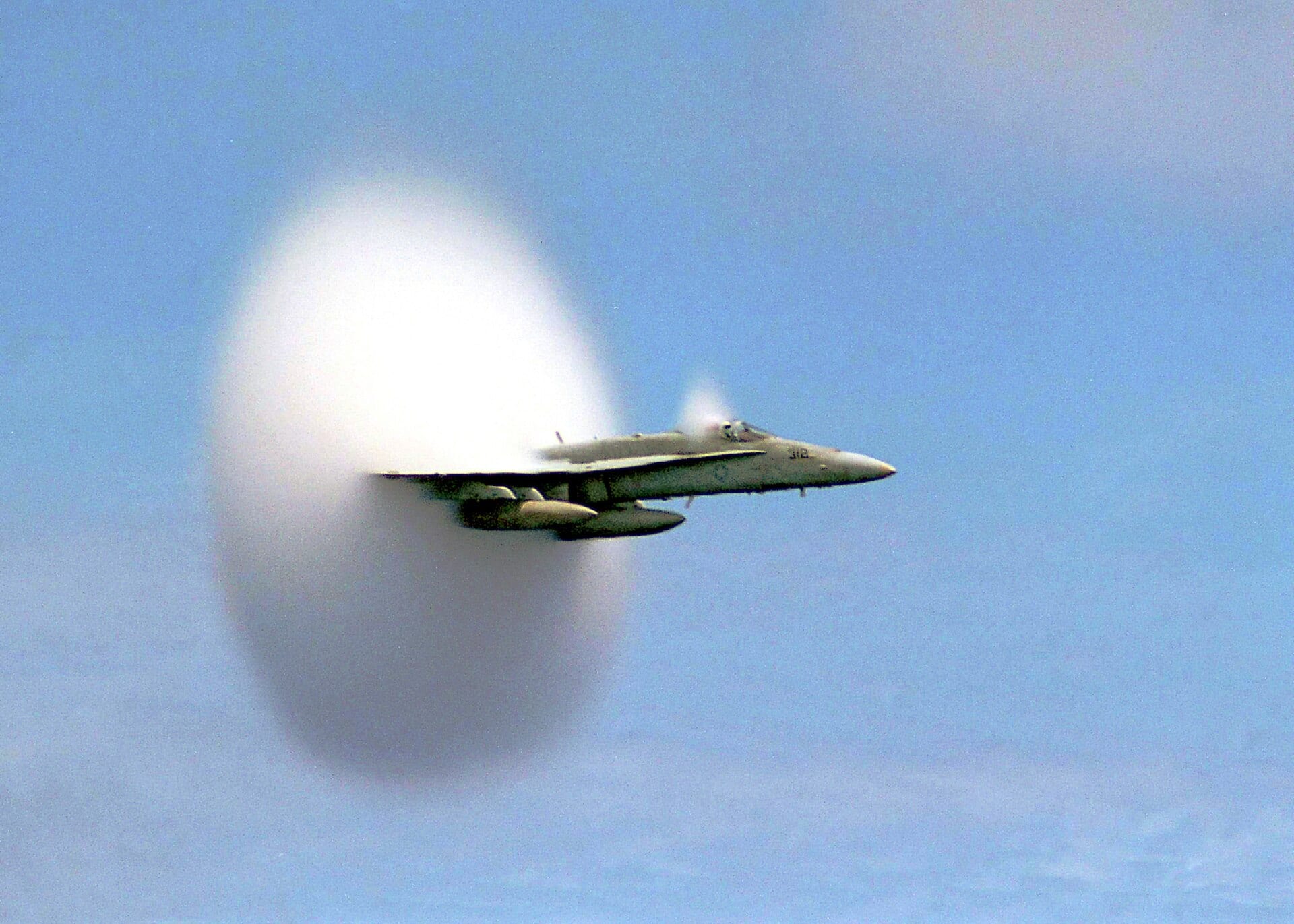
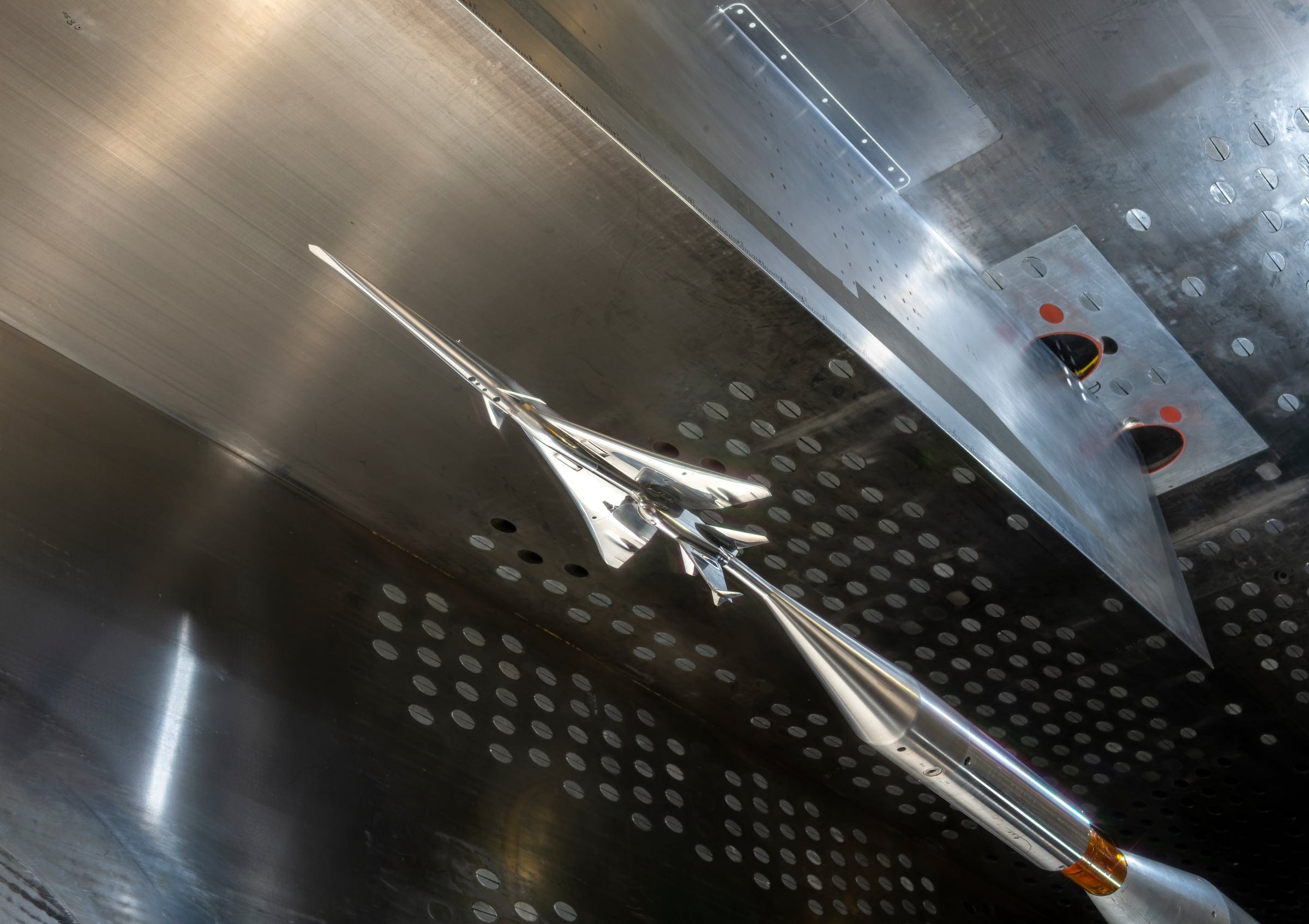
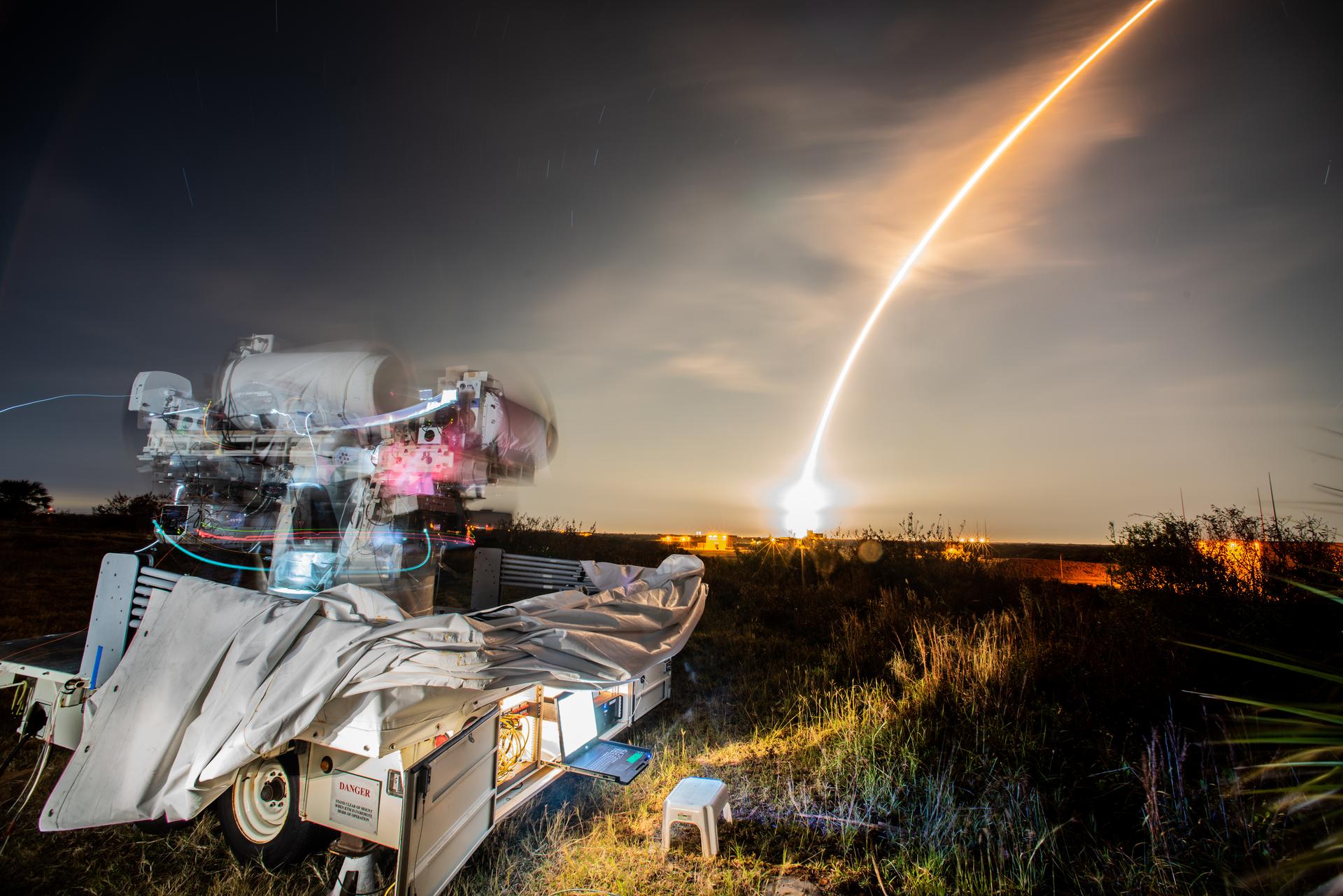
Five working models, one for each field, with real physics inside. Take off, break the sound barrier, snap a wing, reach orbit, crash a computer. Then go as deep as you like.
Every lab runs on the same equations the professionals use, set to real aircraft, real materials and the real Earth. Each has five challenges. Nobody gets them all first time.
Every field opens onto its own machines, its own history and its own way in. Pick whichever one already has your attention.
Ten things people believe about flight, speed, structures, space and software. Half of them are wrong. Most people score five.
Air travels faster over the curved top of a wing because it has further to go, and has to meet its partner at the back.
Every landmark from all five fields, in order. Drag through it, or press play and watch the jet engine, the fatigue crack, the guidance computer and the satellite arrive within a few decades of each other.
Aviation1903
The Wright brothers’ real contribution was not the engine. It was three-axis control, a way to steer once you were up.
19 questions, a few minutes, no right answer. Each one maps to a real difference in how these five fields actually think, and the end of it points at an actual career, not just a field.
Something just broke and the clock is already running. What's actually true about you?