Four billion journeys a year rest on a handful of physical principles and an enormous amount of discipline.
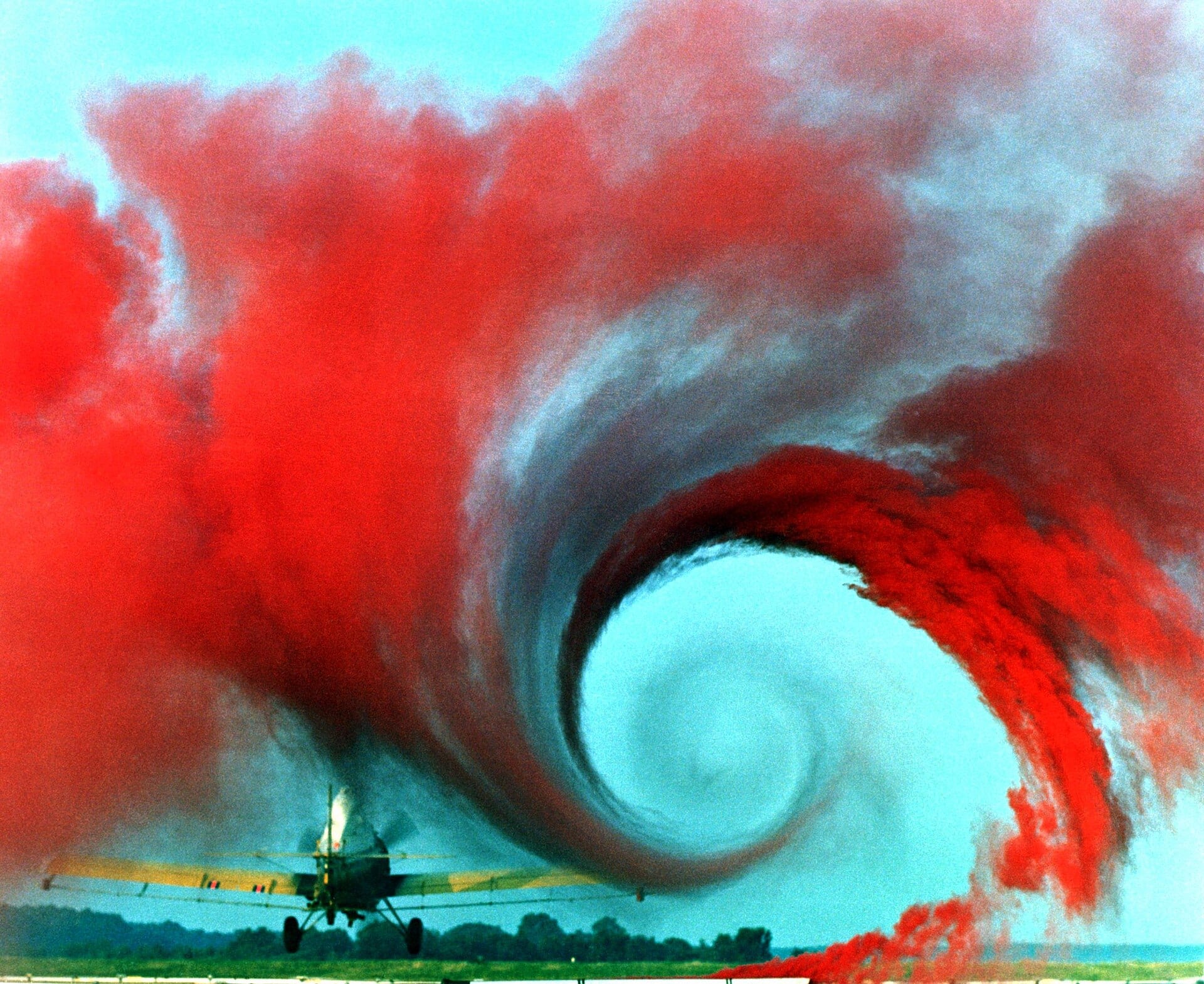
01, Aviation
Air is a fluid, an aircraft is a machine for pushing it around on purpose, and every rule in the industry exists because somebody once found out what happens when you get it wrong.
Aviation is the business of moving through air on purpose. That means lift and drag, but it also means airspace, maintenance intervals, checklists, weather, and the human factors research that turned flying from dangerous into the safest way to travel. Almost none of it is obvious, and most of it is beautiful once you see the mechanism.
What almost everybody thinks
“Air travels faster over the curved top of a wing because it has further to go, and has to meet its partner at the back.”
What is actually going on
There is no partner and no rule that says it has to meet anything. The air over the top really is faster, but because the wing turns the flow, and a wing with no camber at all still flies, which the equal-transit story cannot explain.
Machines that show it
- Cessna 172The most-produced aircraft ever built, and the one most pilots learn in.
- Boeing 747Four engines, a hump, and the economics that opened long-haul to everyone.
- Airbus A320The first airliner with fly-by-wire and flight envelope protection in commercial service.
- Robinson R44A helicopter is not an aeroplane with a fan on top, every control does two things at once.
How it got here
- 1903Powered, controlled, sustainedThe Wright brothers’ real contribution was not the engine. It was three-axis control, a way to steer once you were up.
- 1939The first jet flightThe Heinkel He 178 flew on turbojet power, and the propeller stopped being the only way to go fast.
- 1952Jet airliners enter serviceThe de Havilland Comet, and then the fatigue failures that taught the industry to design for cycles rather than hours.
- 1970The wide-bodyThe Boeing 747 made long-haul flying cheap enough for ordinary people, which is what actually changed the world.
- 1979Crew Resource ManagementAfter a decade of accidents where somebody knew and did not say, the industry started training the cockpit as a team rather than a hierarchy.
What you can learn here
Topic pages are being written, these are the first five
- 01
Where lift actually comes from
Why does a wing lift?
Not the equal-transit-time story you were told. Circulation, pressure difference, and why a wing can fly upside down.
- 02
Inside a turbofan
How does a jet engine work?
Suck, squeeze, bang, blow, then the part nobody explains: why most of the thrust never goes through the combustor at all.
- 03
Control surfaces and stability
How do pilots steer?
Three axes, three controls, and the trade between an aircraft that is stable and one that is manoeuvrable.
- 04
How airspace is organised
Who decides where planes fly?
Classes, corridors, separation minima, and the controllers holding a live three-dimensional picture in their heads.
- 05
Why aircraft are taken apart on a schedule
How often are planes checked?
A, B, C and D checks, fatigue life, and the idea that maintenance is a prediction rather than a reaction.
Where this leads
Everything on Mach 9 is connected in both directions. A concept leads to the people whose job it is, and a job leads back to what you would need to learn.
- Course · AdvancedCFI Ground SchoolThe complete curriculum flight instructors actually use, from a student's first lesson to their checkride.
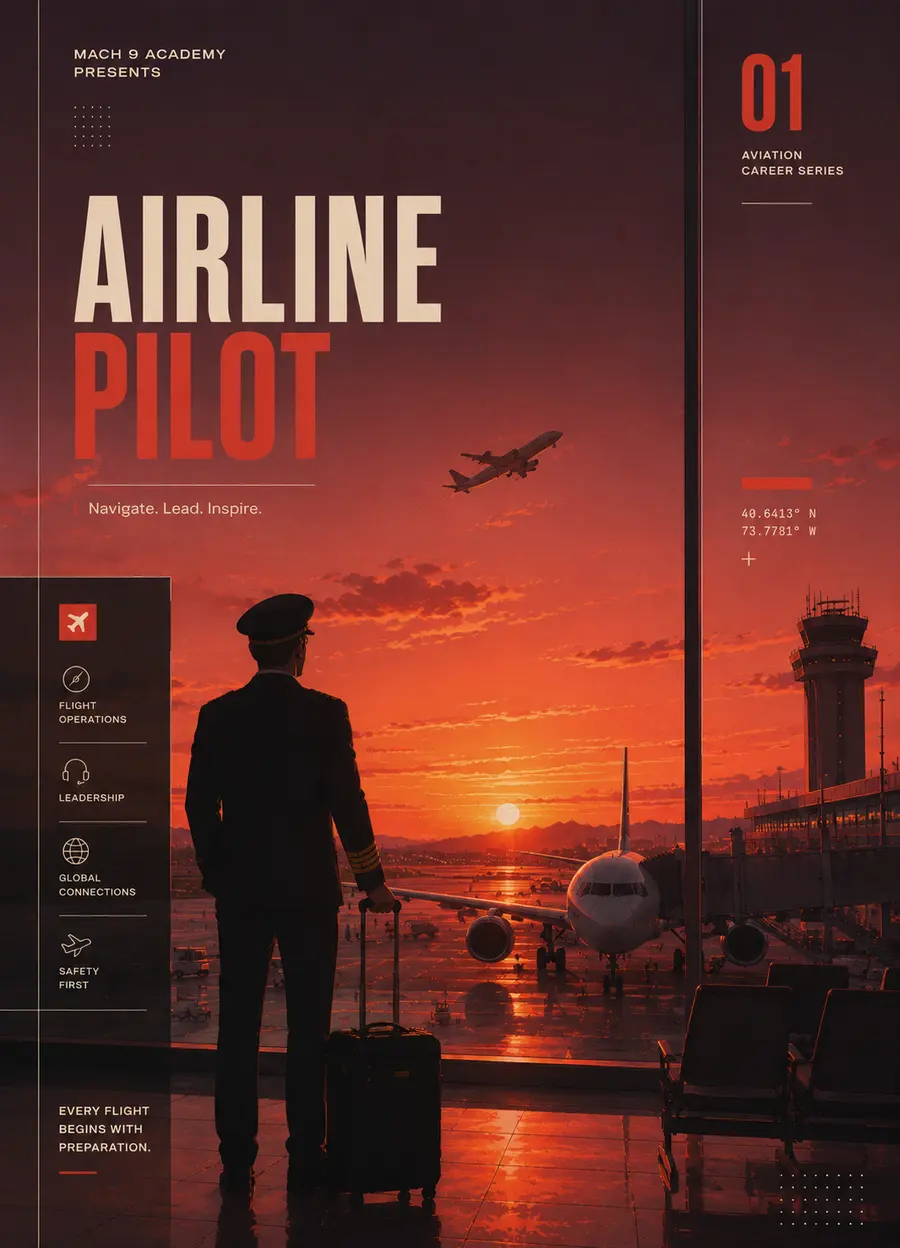
- CareerAirline PilotFlies scheduled passenger services as one half of a two-person crew.
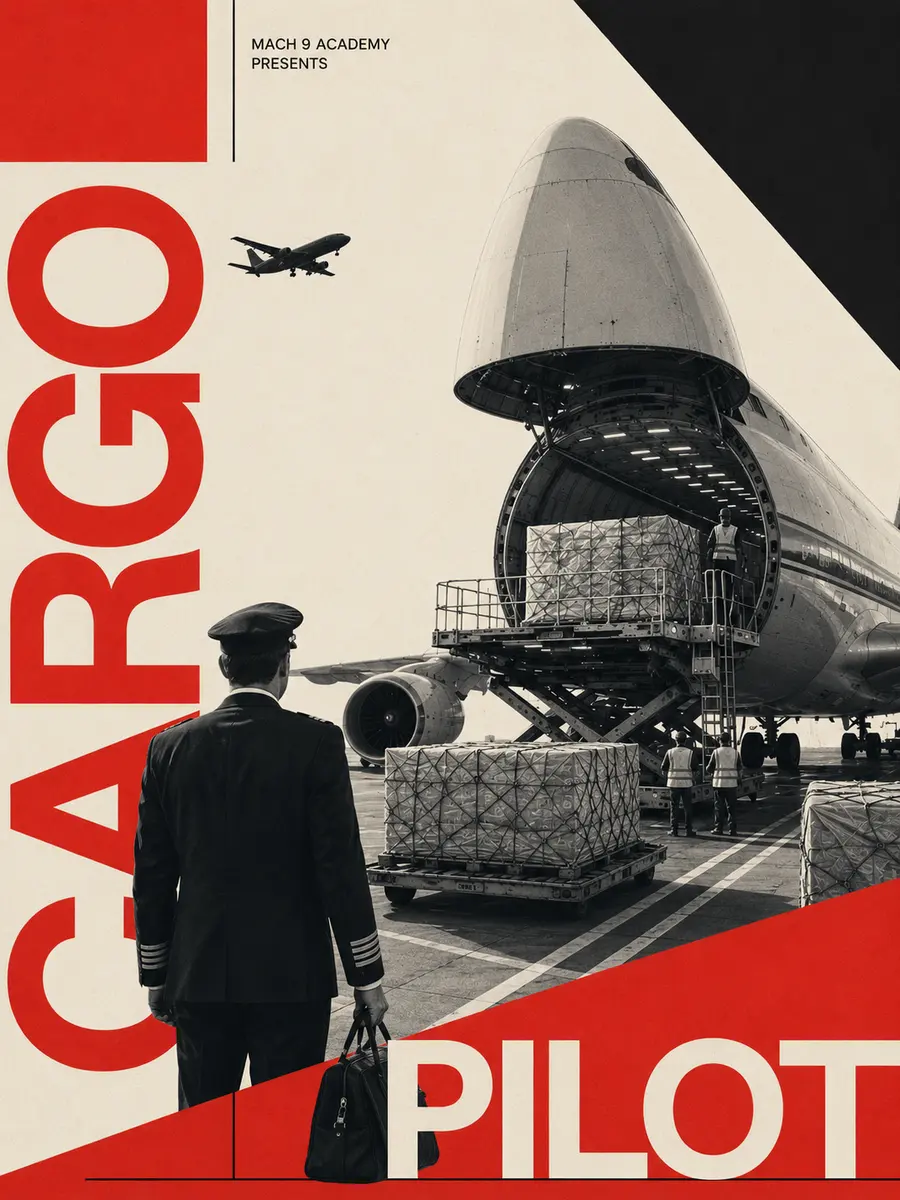
- CareerCargo PilotMoves freight, mostly overnight, to schedules nobody sees.
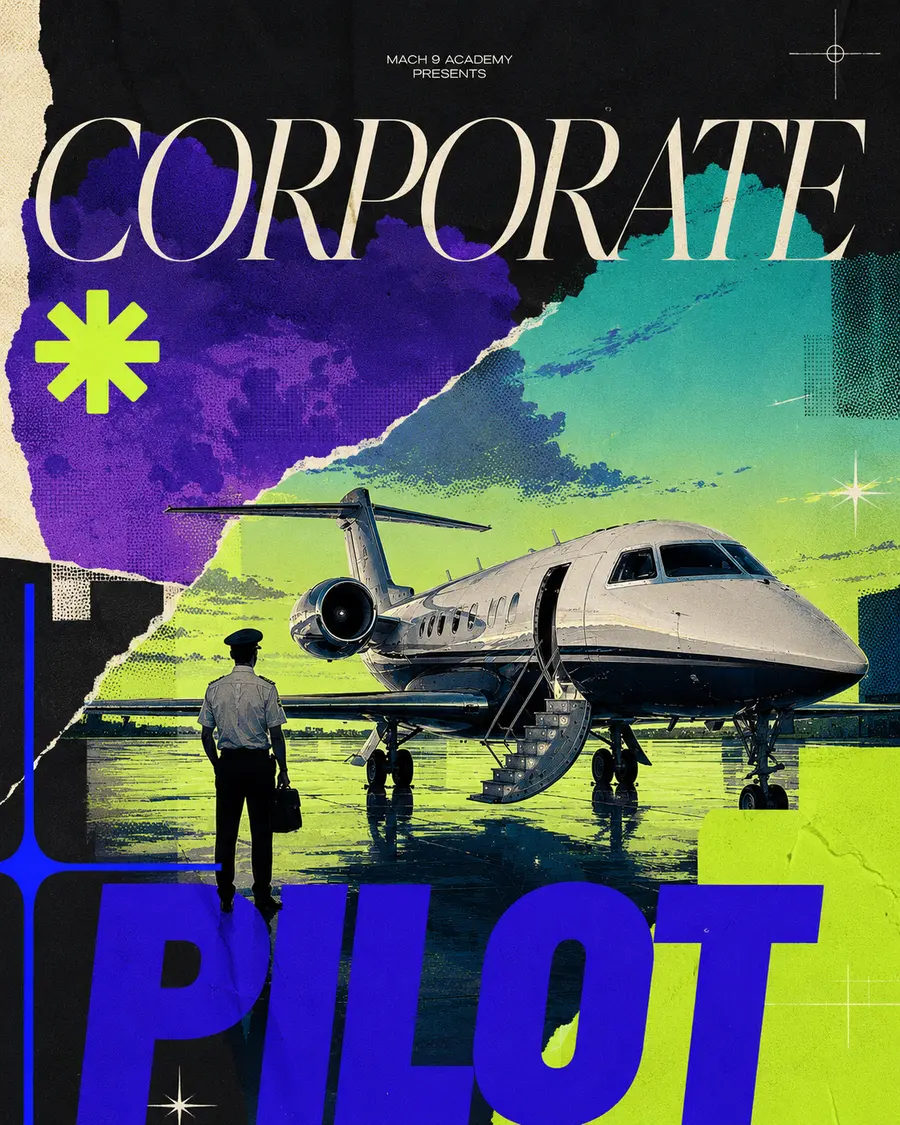
- CareerCorporate PilotFlies business jets on schedules set by the people in the back.
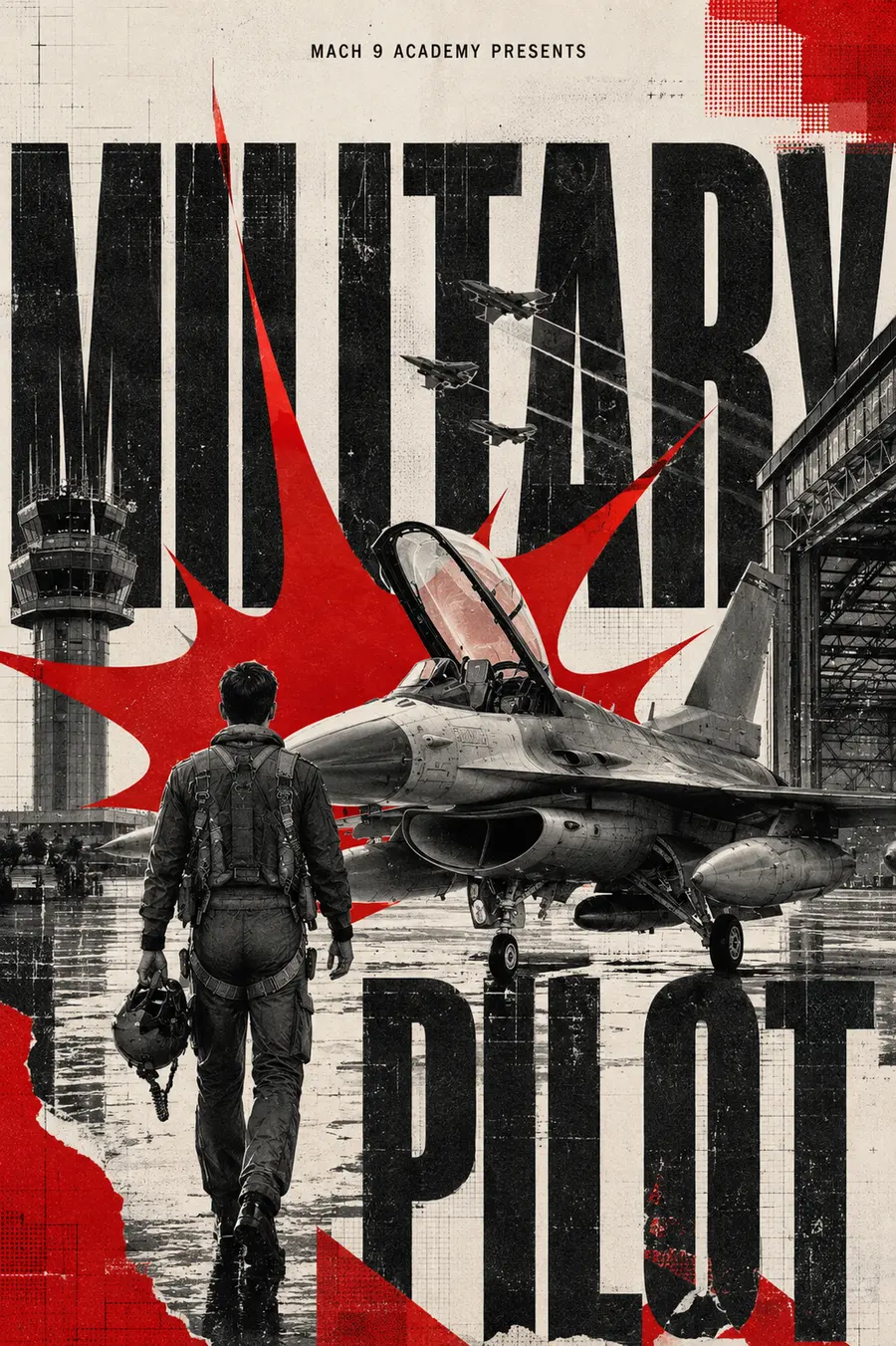
- CareerMilitary PilotFlies military aircraft, with the selection and the commitment that implies.
 NTSBBriefingThe bolts that were never put backA panel blew off a 737 MAX 9 mid-flight in January 2024. It took the NTSB eighteen months to explain exactly how that was possible.
 Patrik Tommy Olsson, CC BY-SA 4.0ExplainerThe largest battery-electric aircraft ever built just flewA 106-foot demonstrator with more than a megawatt of electric power took off from upstate New York in August 2026, proof that a battery-electric regional airliner is now a flying question, not just a drawing.