What happened
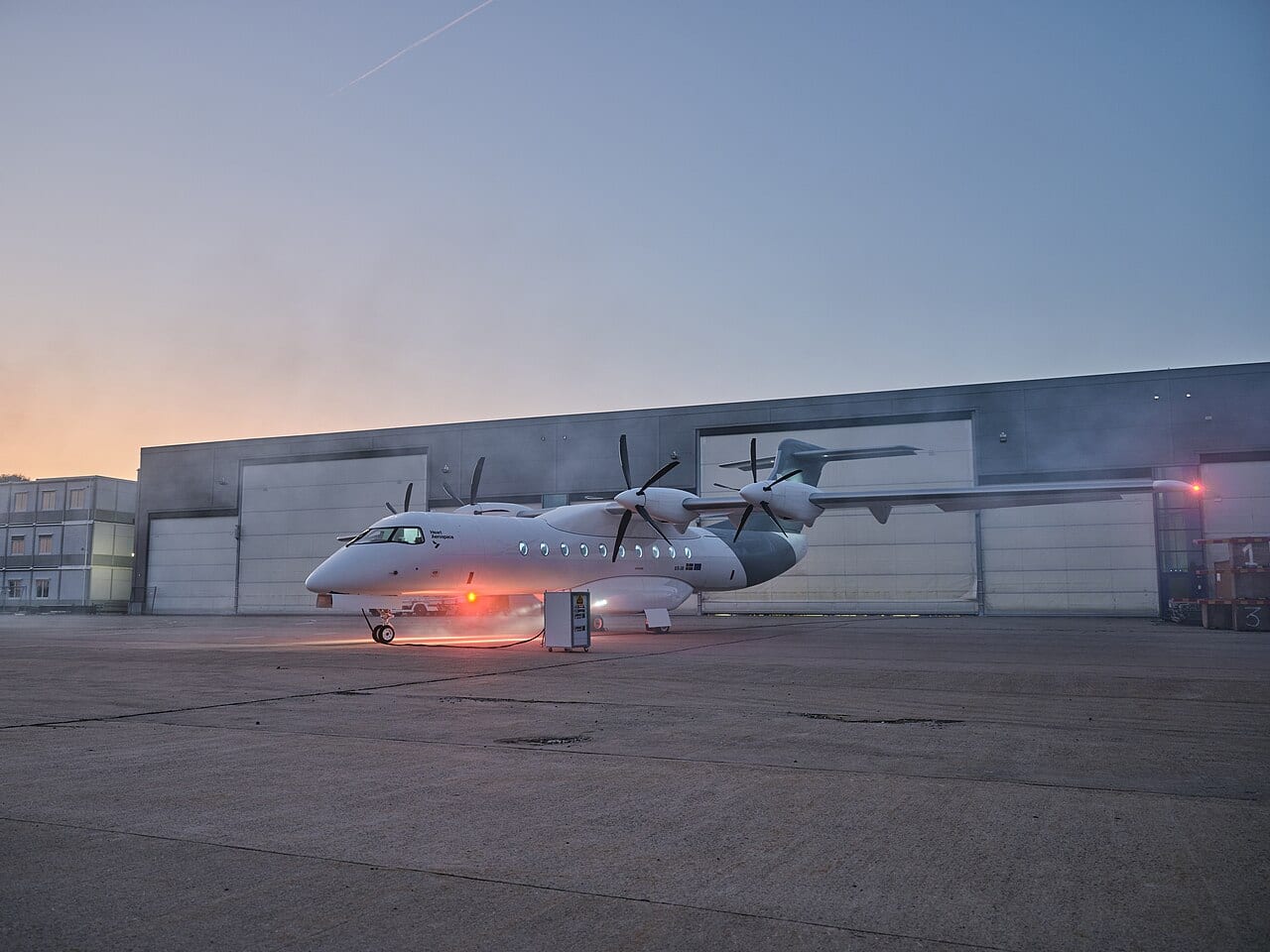
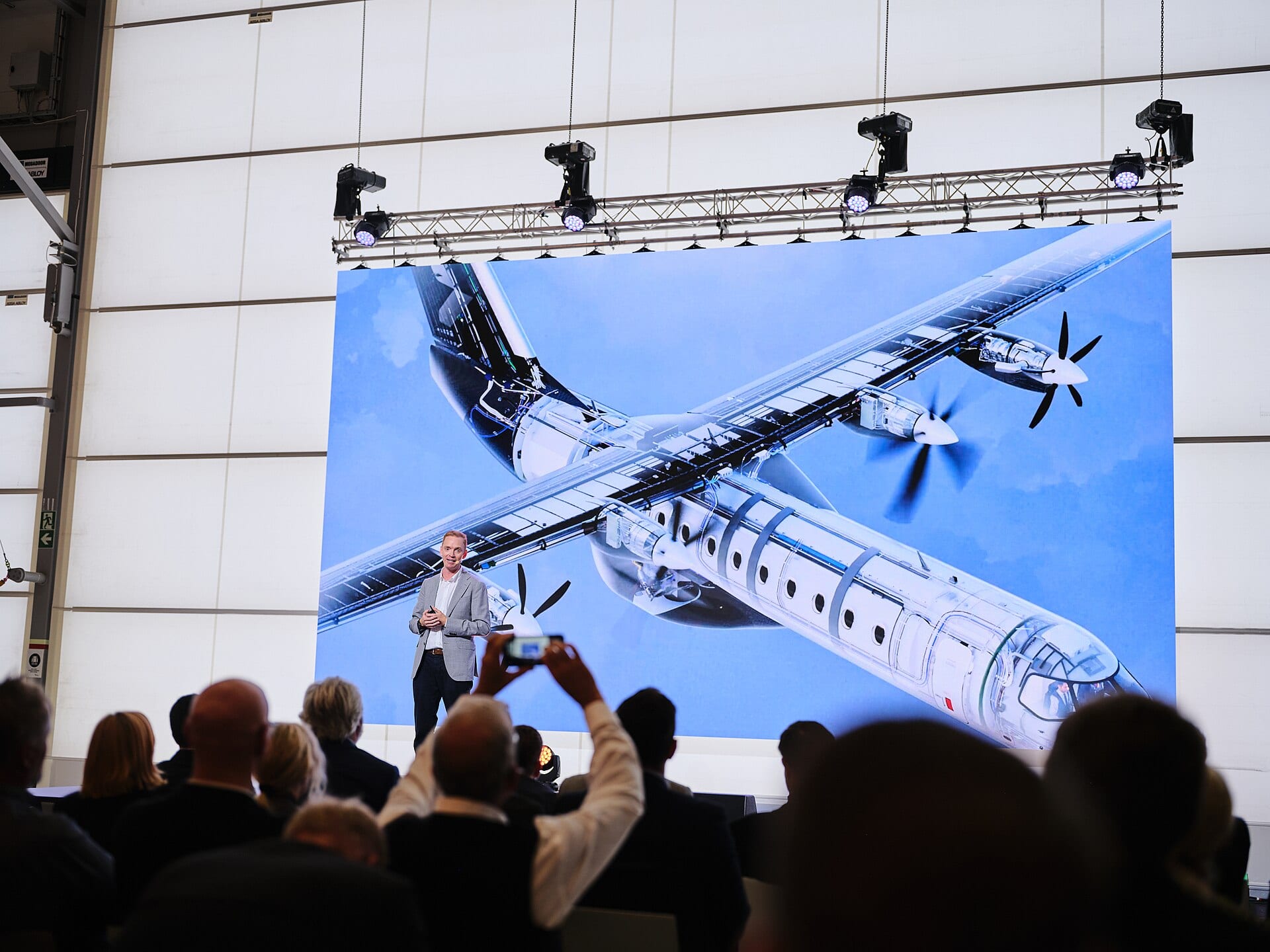
On August 12, 2026, Heart Aerospace flew its X1 demonstrator aircraft for the first time, from Plattsburgh International Airport in upstate New York. The piloted aircraft flew for 27 minutes, climbing to about 1,100 feet, with its all-electric propulsion system delivering more than a megawatt of power through taxi, take-off, climbing flight, manoeuvring and landing. At a 106-foot wingspan, 76 feet nose to tail and more than 25,000 pounds at take-off, Heart Aerospace says X1 is the largest battery-electric aircraft ever flown.
Why the size is the actual news
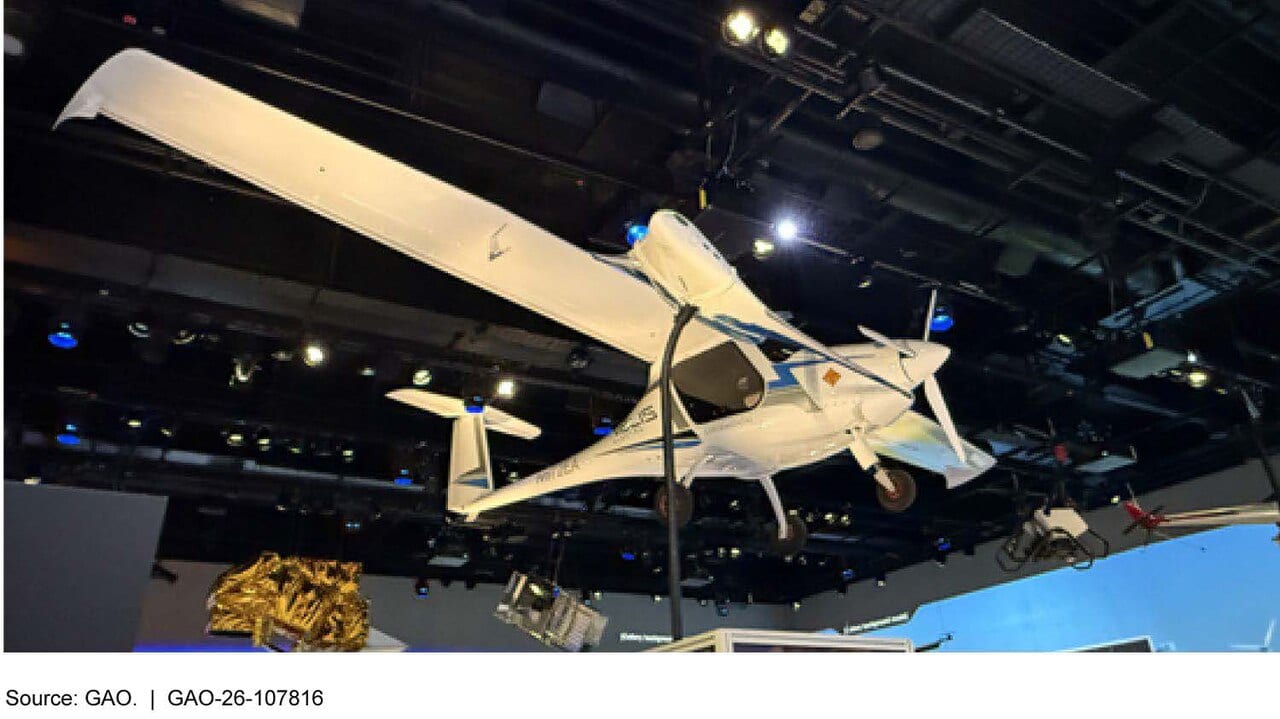
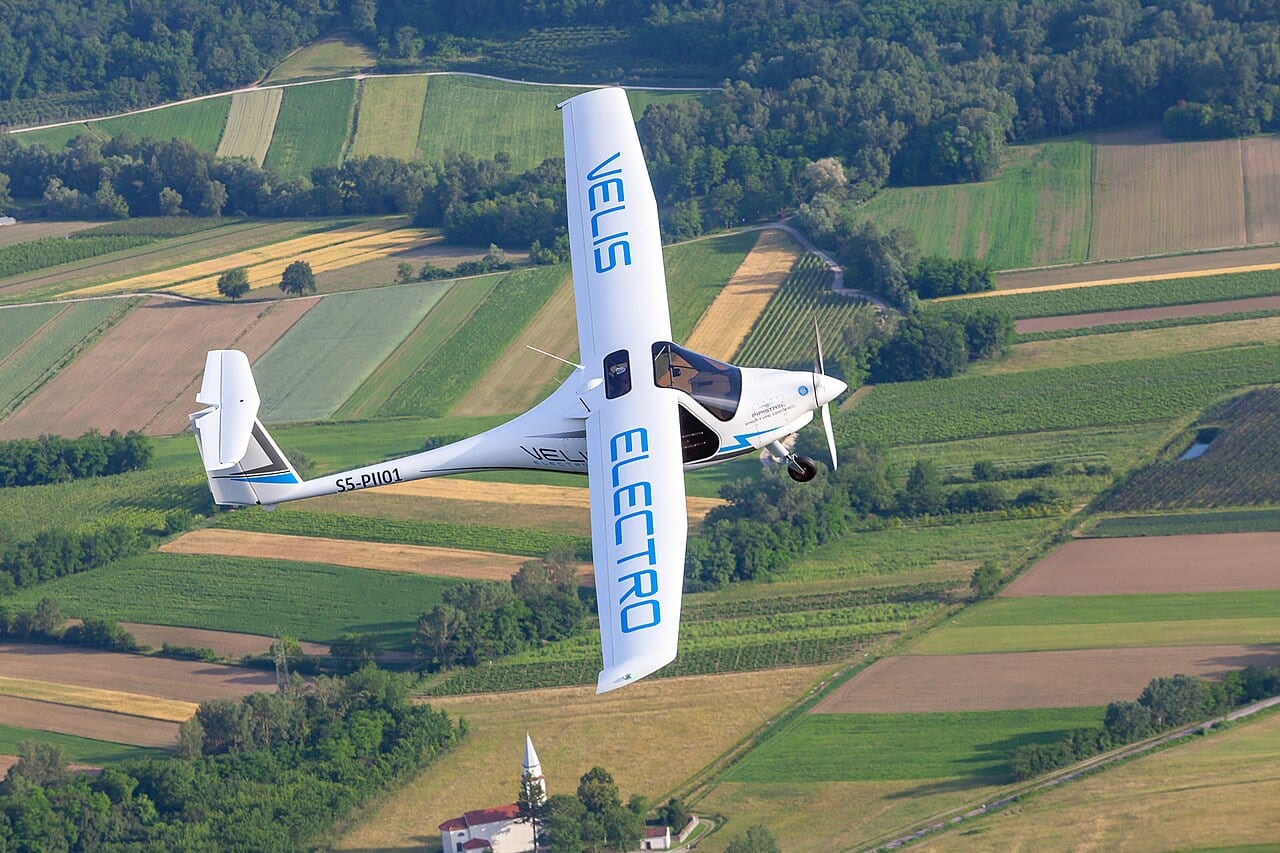
Small electric aircraft have been flying for years, batteries are heavy, so a two-seat trainer with a short range is a comparatively easy problem. Scaling that up to something that weighs as much as a loaded regional airliner and still gets off the ground is a different problem entirely, because the weight of the batteries does not fall as fast as the size of the aircraft grows. X1 exists to find out, in the air rather than on paper, whether that trade-off can be made to work at this scale.
What it is actually testing
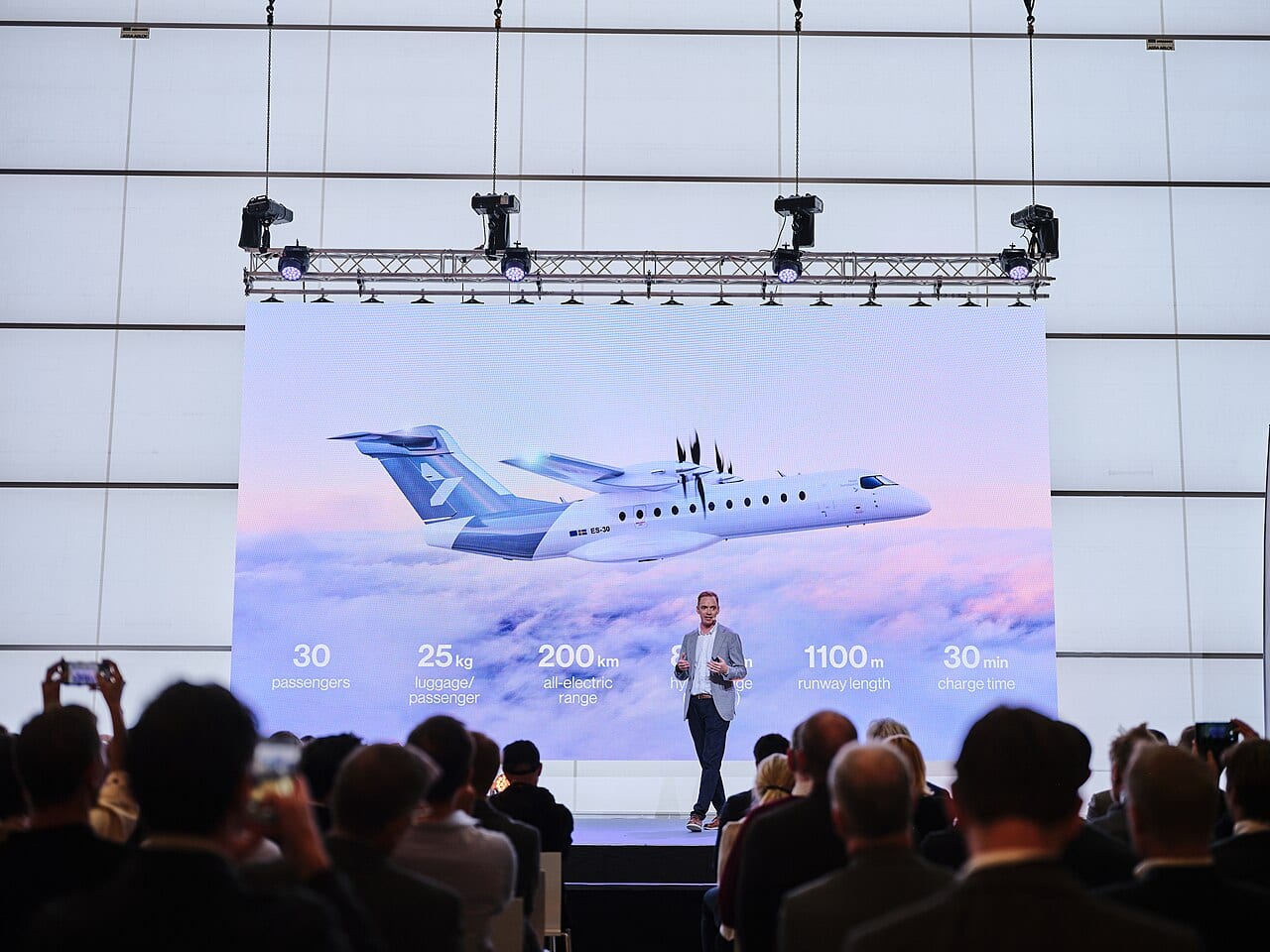
X1 is a technology demonstrator, not the aircraft Heart Aerospace intends to sell, it exists to prove out the battery pack, the power electronics and the electric motors before those systems go into the ES-30, a 30-seat hybrid-electric regional airliner the company is developing, with early orders already placed by United Airlines, Air Canada and JSX. Flown under an FAA Special Airworthiness Certificate rather than a full type certificate, the first flight tested exactly the basics: does it taxi, does it climb, does it turn, does it land, before anyone commits further.
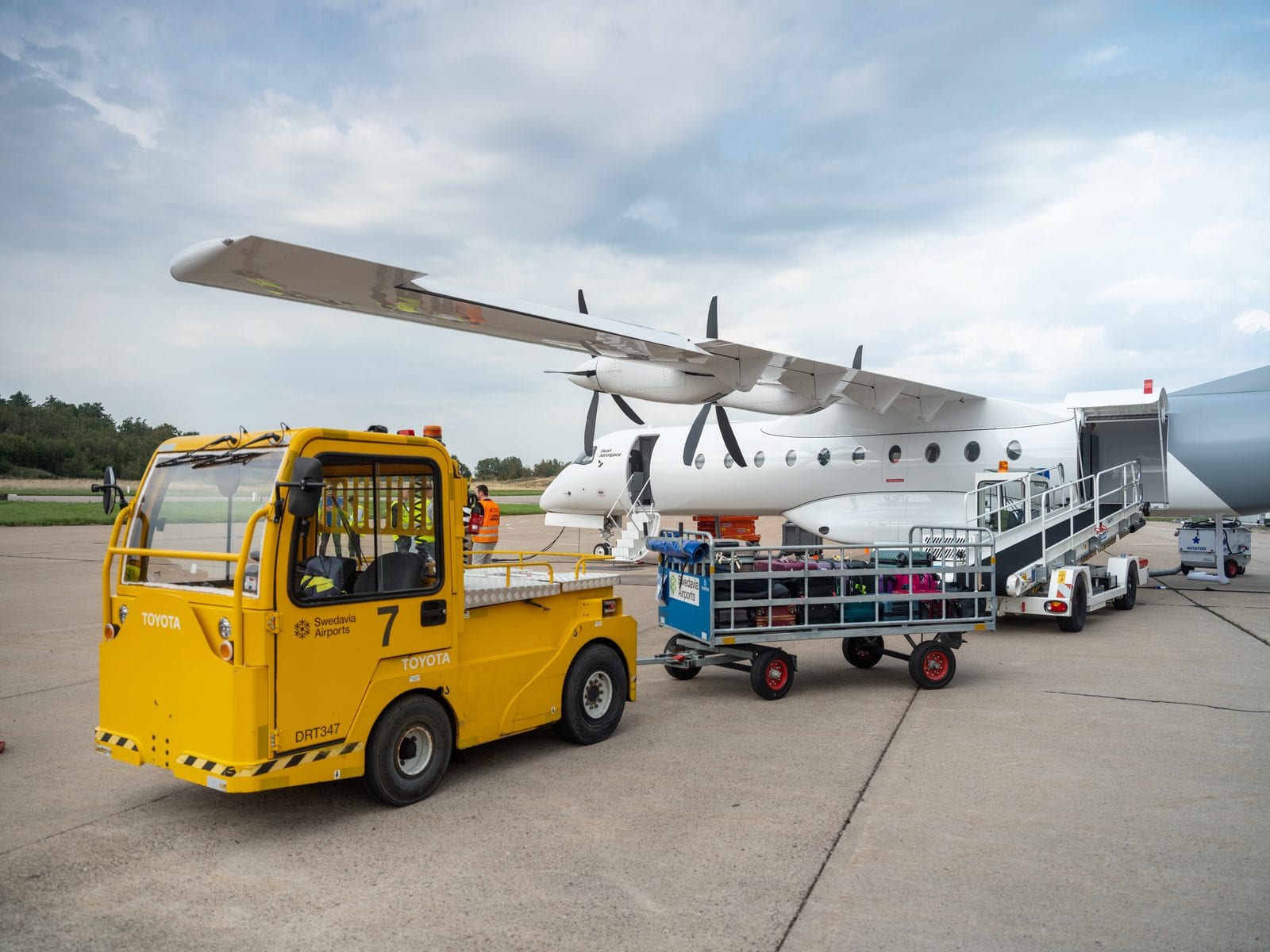
Every powerplant earns its place the same way X1 did on August 12, flown, not simulated, with taxi, take-off, climb and landing checked against what the engineers predicted before anyone calls it proven. Running on batteries instead of pistons or a turbine changes what is inside the cowling; it does not change the job of a Flight Test Engineer, which is to find out whether the machine matches the paper before anyone else has to trust it.
Flight Test EngineerEngines and Systems: Aviation Foundation