What happened
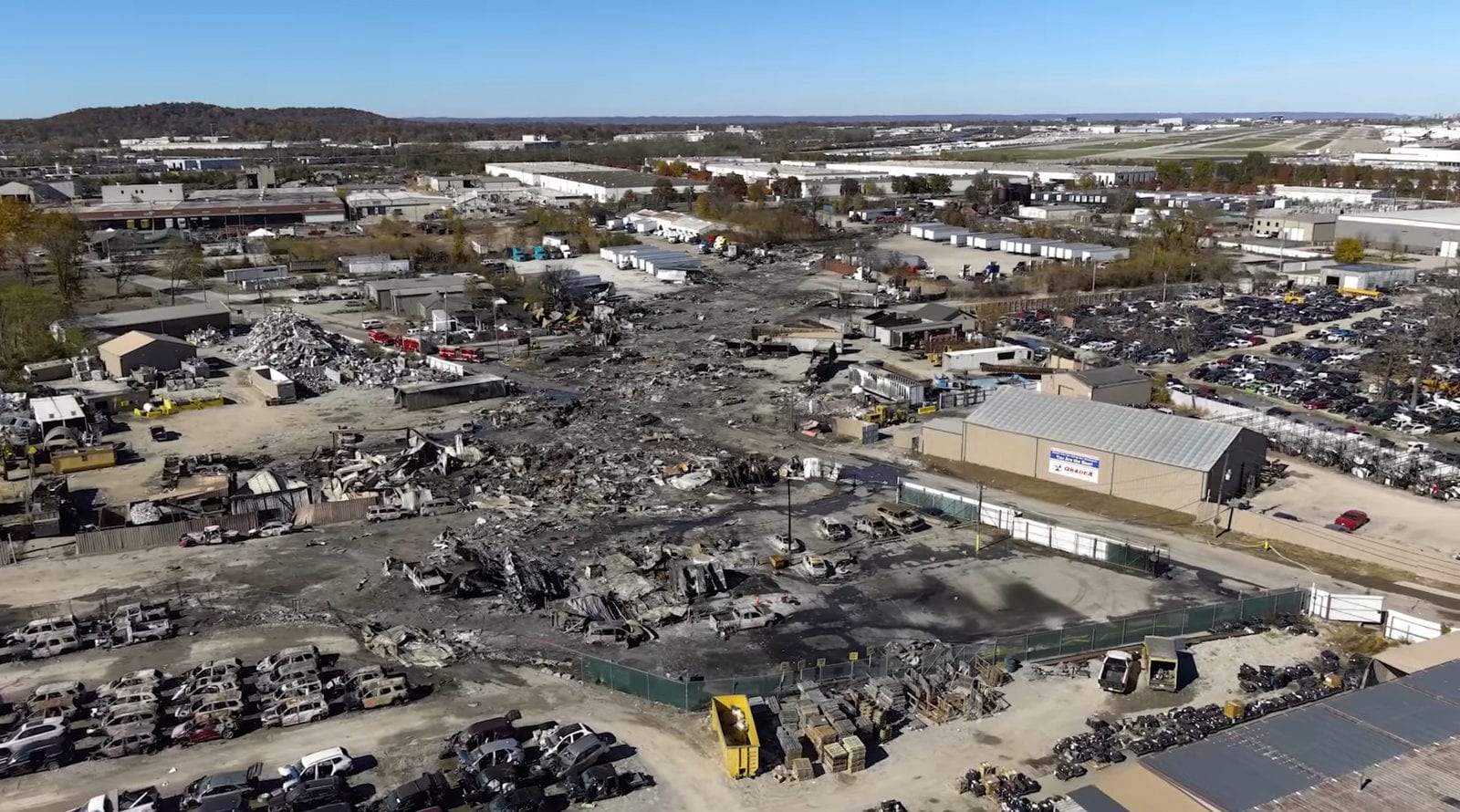
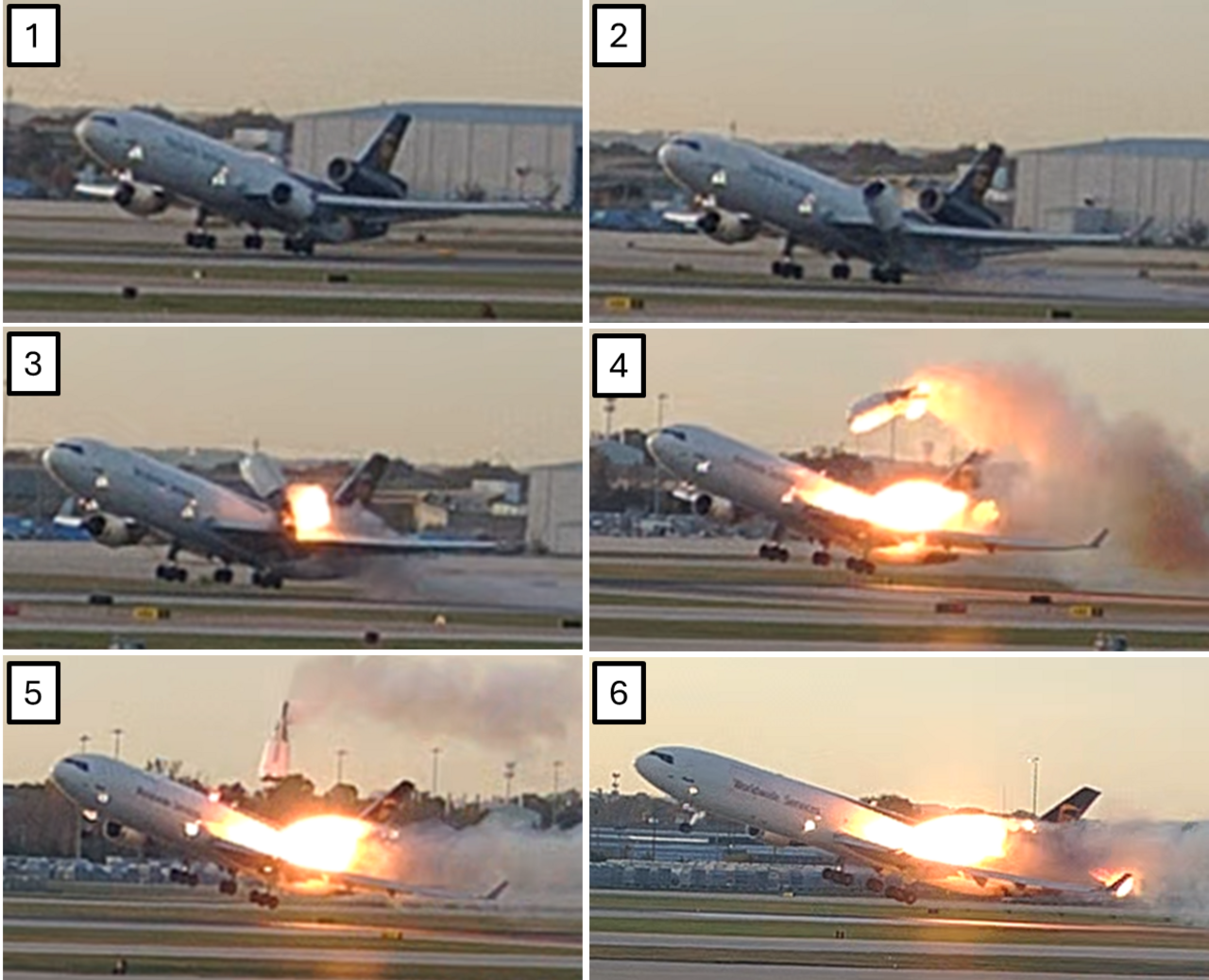
On November 4, 2025, UPS Airlines Flight 2976, a McDonnell Douglas MD-11F cargo aircraft registered N259UP, crashed shortly after taking off from Louisville Muhammad Ali International Airport in Kentucky. The left engine and its pylon separated from the wing during the takeoff roll, and the aircraft caught fire and went down in an industrial area close to the airport. The three crew members on board and eleven people on the ground were killed, and twenty-three more on the ground were injured. The FAA grounded the MD-11 fleet within days.
What investigators found inside the mount
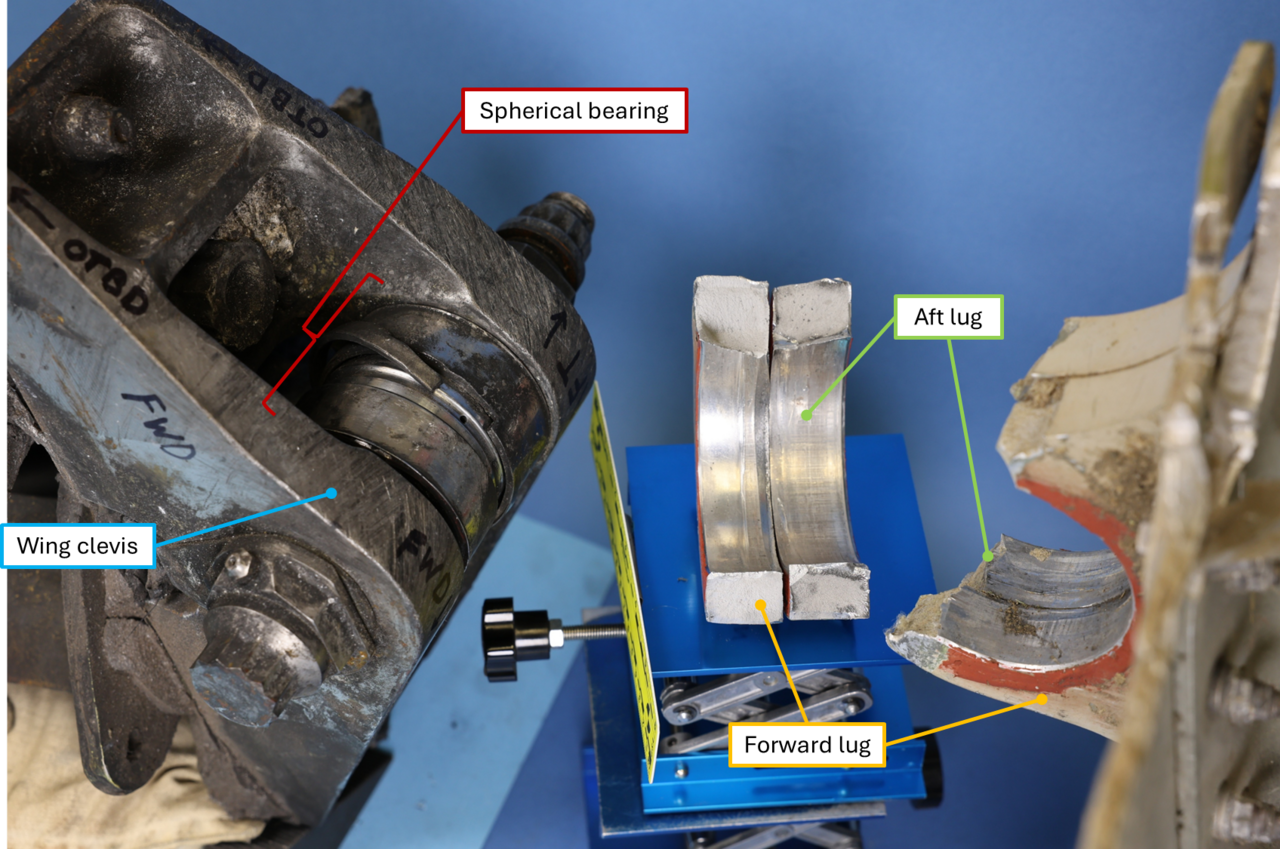
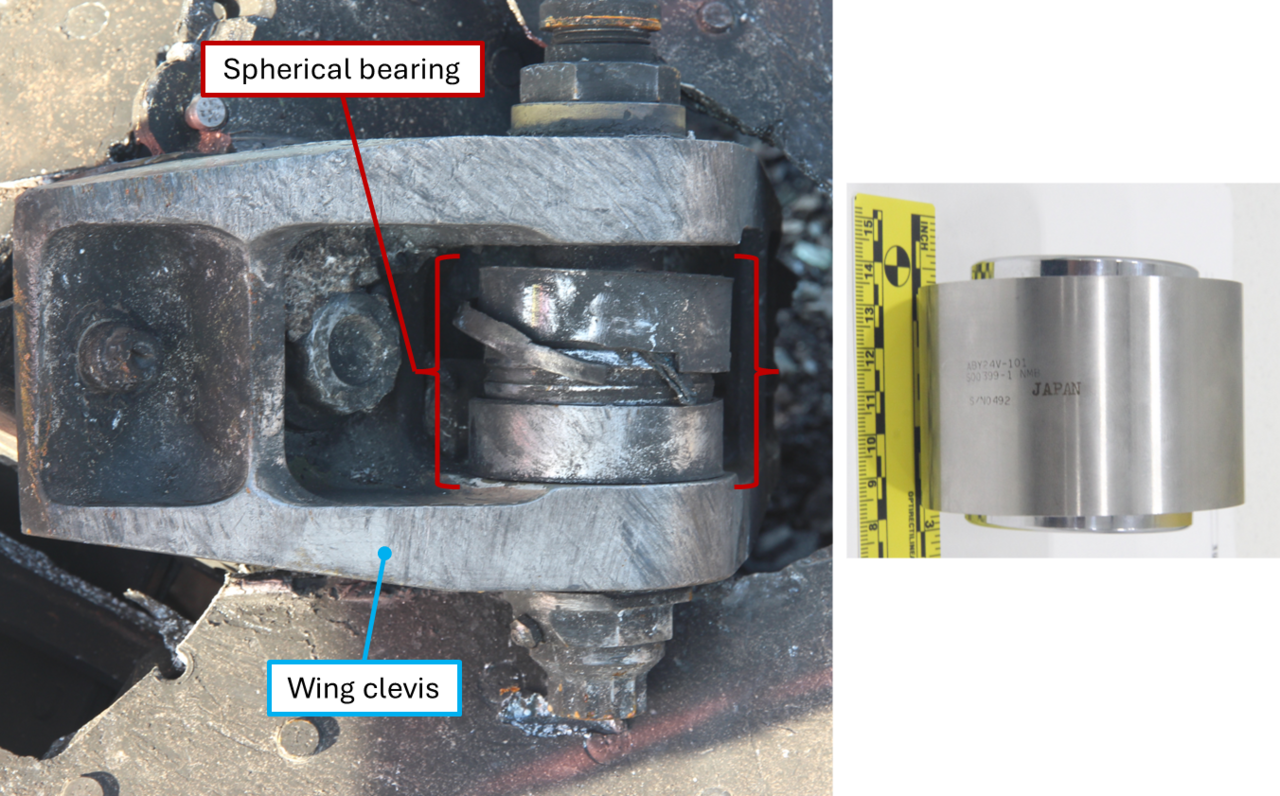
The NTSB’s preliminary report, released November 20, 2025, found fatigue cracks in the fractured surfaces of the pylon’s aft mount, alongside areas of overstress failure, metal that had been quietly cracking before it finally gave way under load. At an investigative hearing on May 20-21, 2026, the Board went further: a spherical bearing inside the mount fractured first, and that single fracture caused both of the mount’s two load-bearing lugs to fail together, even though the two-lug design existed specifically so that one could fail and the other would still hold.
The assumption the certification was built on
FAA engineers testified that the aircraft’s certification never required its systems to keep working after a complete pylon separation, because the design was assumed to prevent that separation from happening at all, "the only case where we do assume pylon separation is for hard landing events," as one FAA engineer put it at the hearing. Investigators also pointed to at least ten earlier incidents of similar bearing damage going back to 2002, none of which had been escalated as a safety concern. The NTSB’s final report, with a probable cause, is expected later in 2026.
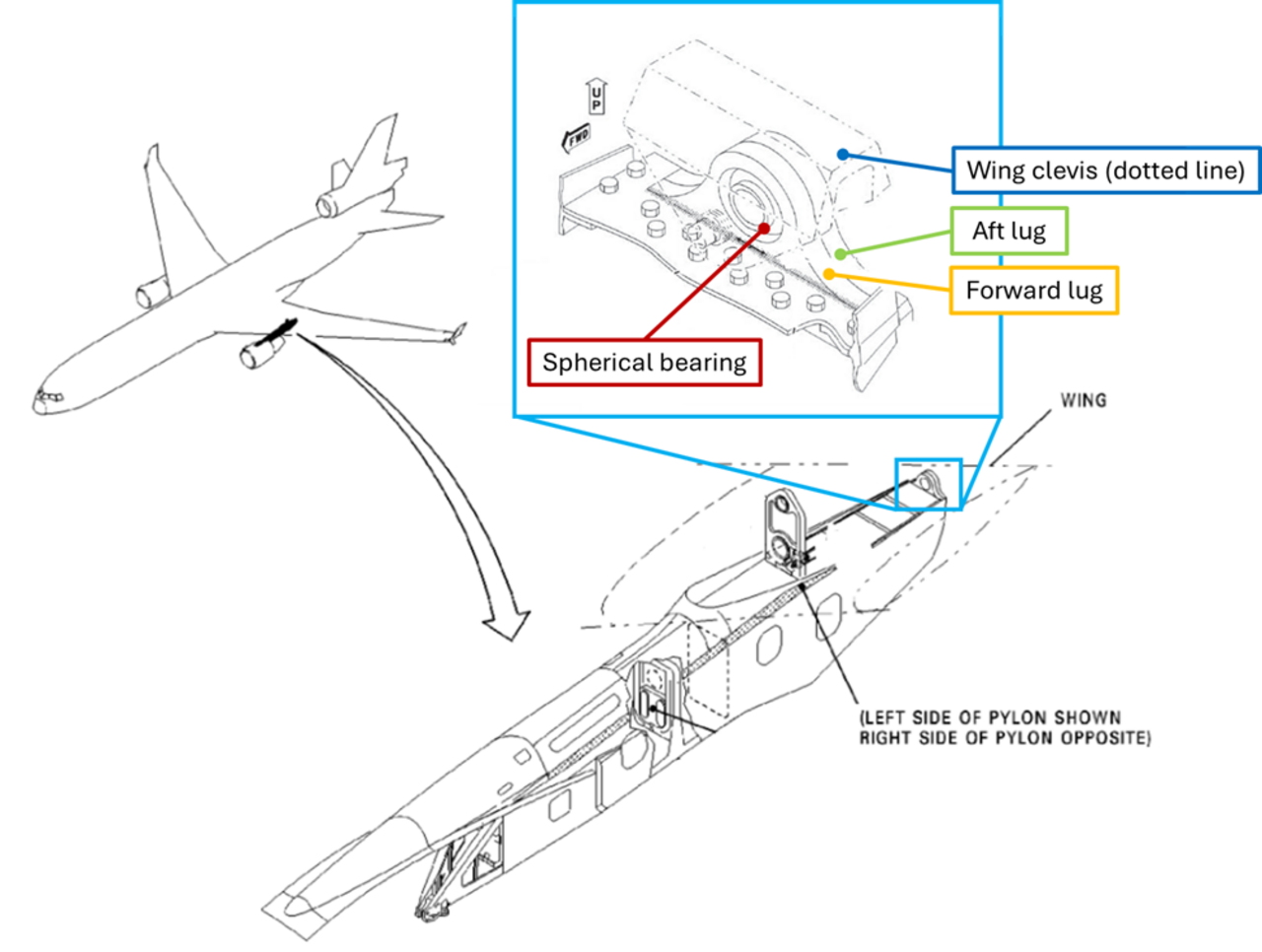
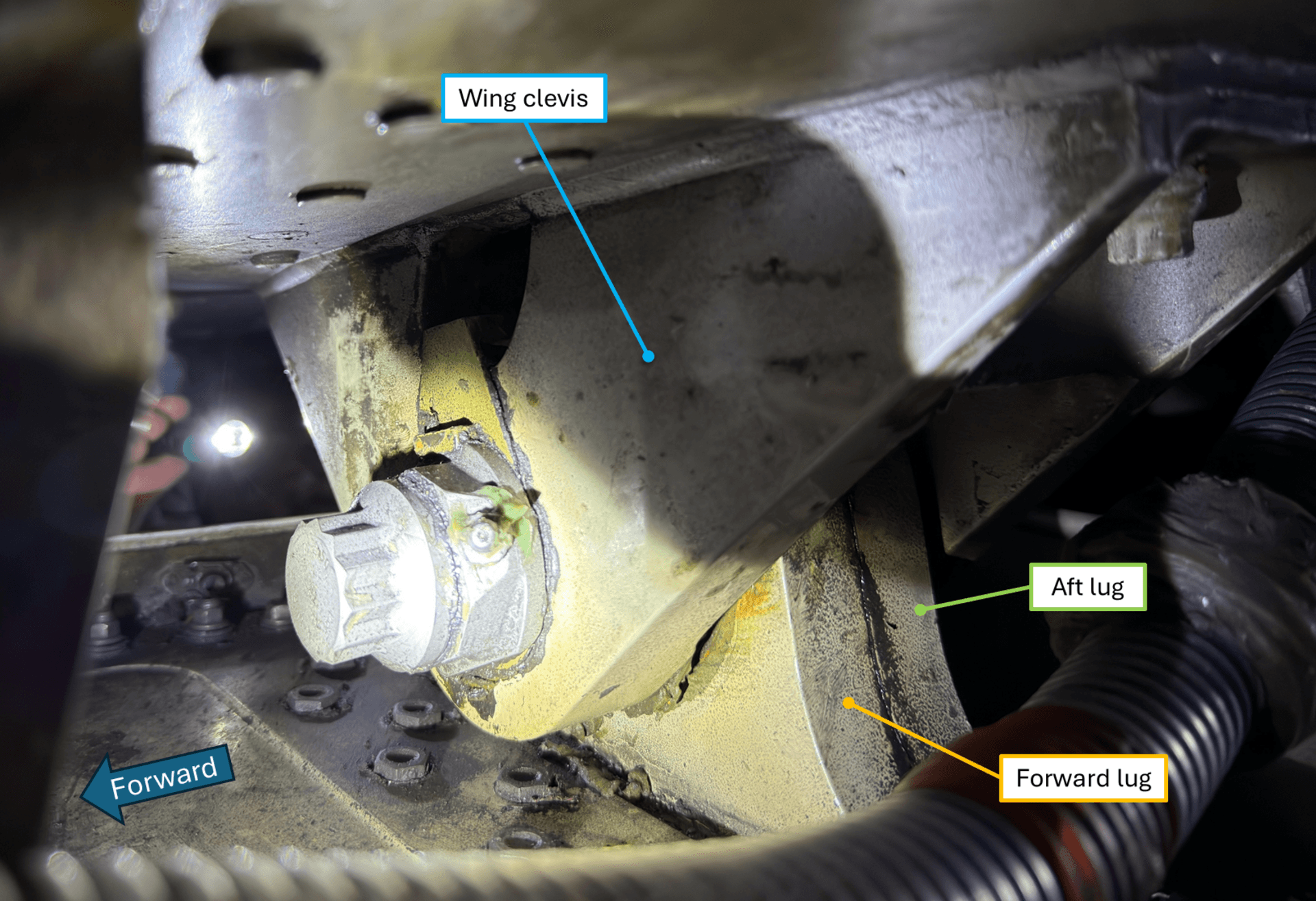
A safety system built around "this cannot fail both ways at once" (and then failing exactly that way) is the case study this chapter is built to teach: how a requirement gets written, how it gets verified, and what happens to everyone downstream when nobody re-tests the assumption once the design ships. Finding that gap before a customer does is the entire job of a Test Engineer.
Test EngineerSystems Engineering & Design Trade-offs: Engineering Foundation