What happened
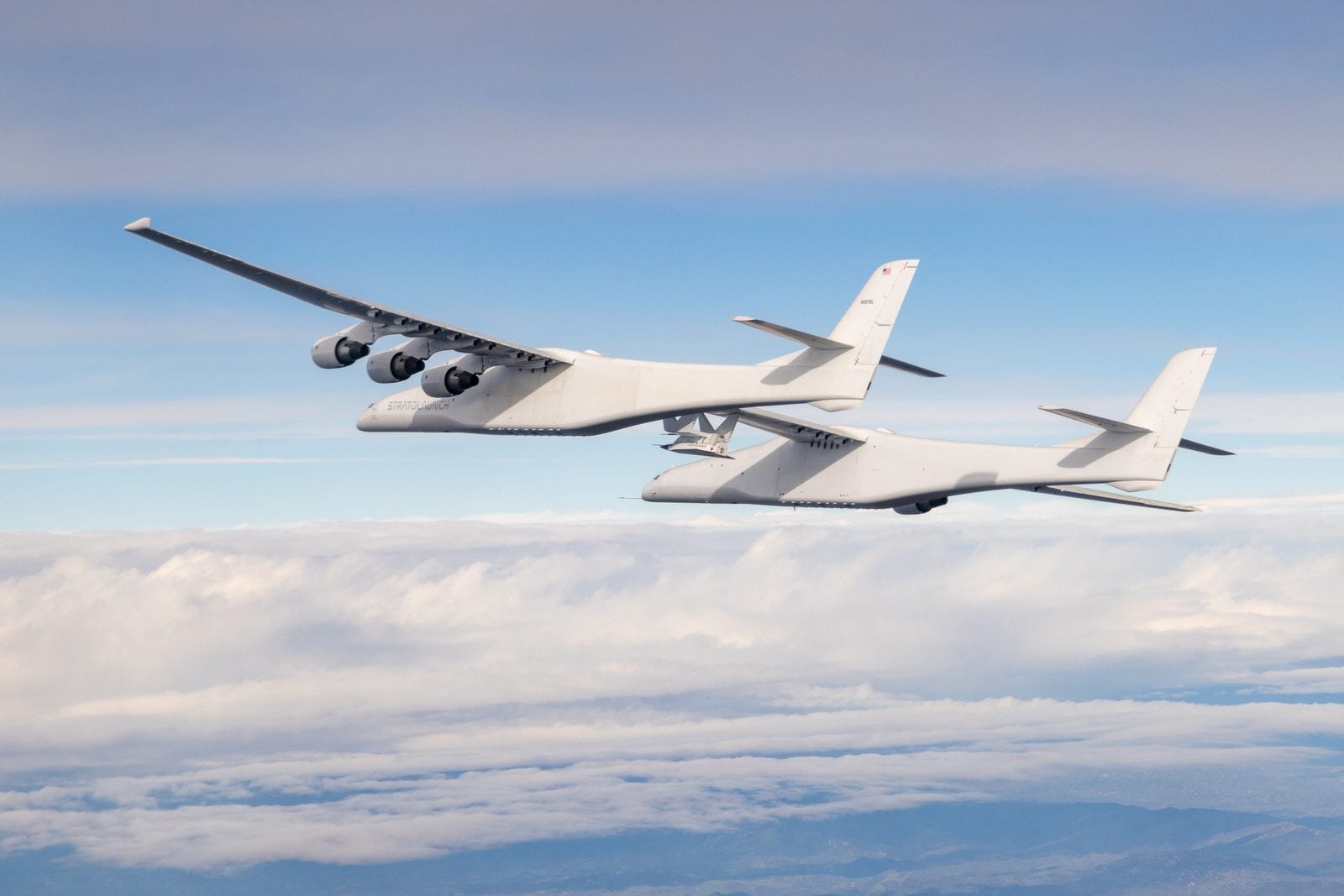
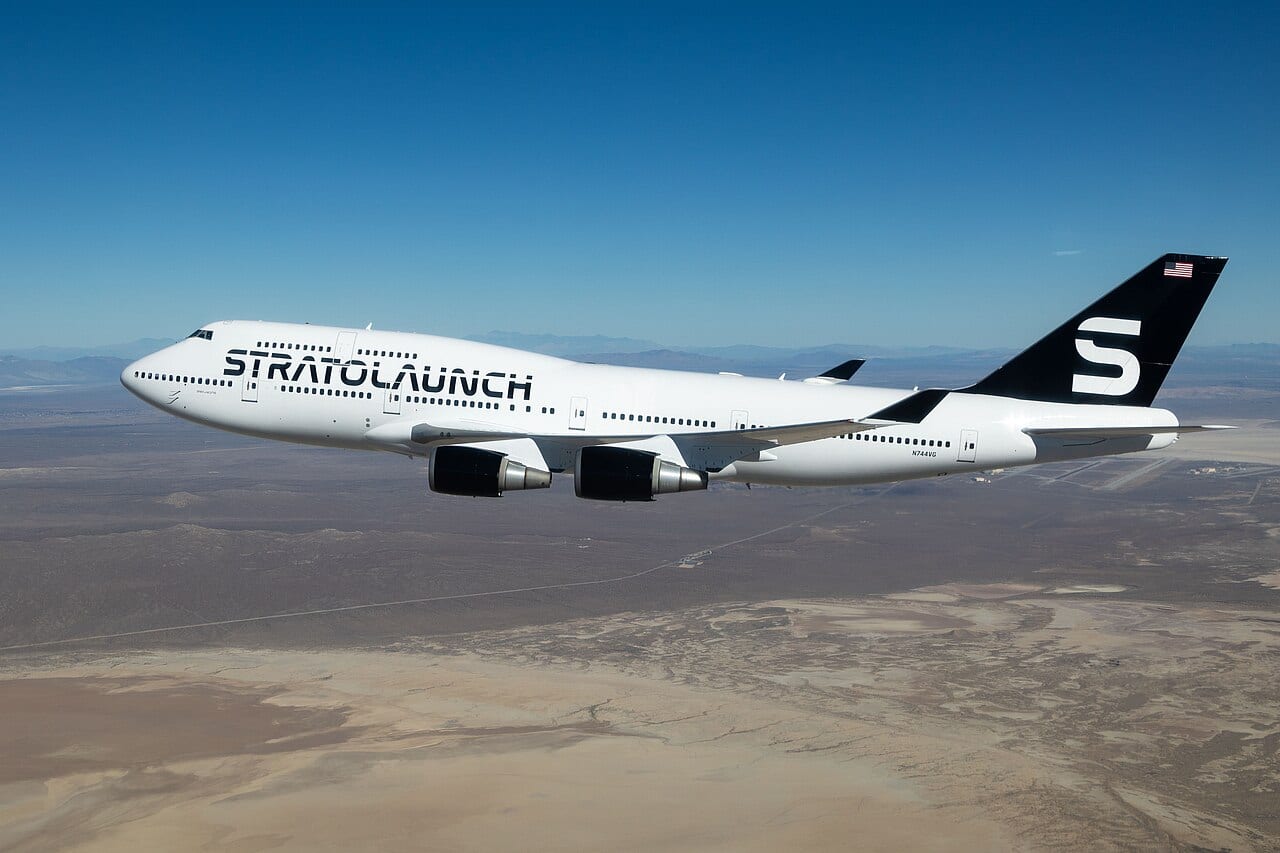
On July 21, 2026, Stratolaunch announced that its Talon-A aircraft had completed more than ten hypersonic flights, each one exceeding Mach 5. Talon-A is fully autonomous (no pilot on board, from release to landing) and is carried aloft under a modified Boeing 747-400, Spirit of Mojave, before being dropped and lighting its own engine to accelerate through the hypersonic threshold. It then lands itself on a conventional runway, is refurbished, and flies again.
Why "again" is the actual achievement
Hypersonic test vehicles have historically been expendable: built once, flown once, and either lost or destroyed by the flight itself. That makes every data point extremely expensive. A reusable vehicle changes the economics of the entire field, the same airframe collecting flight ten’s data as flight one’s, at a fraction of the cost, which is what lets a test campaign ask a hundred small questions instead of one very large one.
Who is actually buying the flights
Talon-A flies for U.S. military hypersonics test programmes, among other defense, aerospace and research customers, collecting real flight data on heating, control and sensor performance at speeds no wind tunnel can fully replicate. Stratolaunch’s own framing of the milestone is explicit about what changes: turning hypersonic testing "from a rare event into a routine service."
A vehicle that has to survive past Mach 5, land itself, and be ready to do it again within days is propulsion engineering under the least forgiving constraint there is, the same engine, working, more than once. That is the whole subject of this chapter: every propulsion system throws mass one way to move the vehicle the other, and the differences between them are really an argument about which mass, how fast, and how many times you can afford to do it.
Propulsion EngineerPropulsion Systems: Aerospace Foundation